
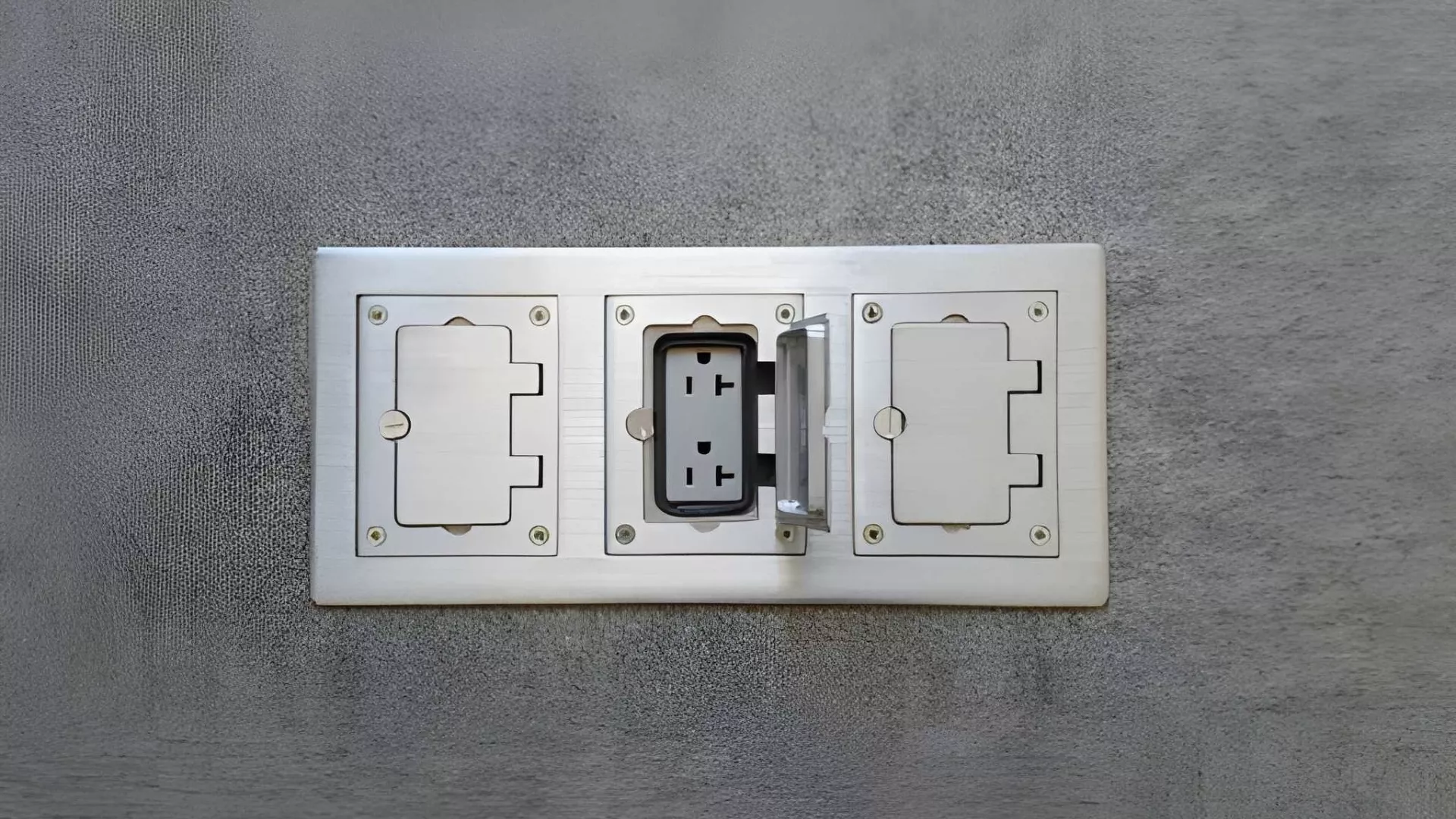
⚡ Quick Answer: Surface Mount vs Flush Mount at a Glance
Bottom line: Choose surface mount for fast, affordable, and hassle-free installation on any wall. Choose flush mount for a sleek, invisible look that blends perfectly into modern or luxury homes. Either way, both types can save you up to 20% on heating and cooling bills annually when paired with a smart thermostat.
| Feature | Surface Mount | Flush Mount |
|---|---|---|
| Appearance | Protrudes ½–1 inch from wall | Completely flat with wall |
| Installation Time | ✅ 15–30 minutes | 1–3 hours + patching |
| Total Project Cost | ✅ ~$184 average | $350–$650 |
| Best For | Retrofits, rentals, quick upgrades | New builds, luxury remodels |
| DIY-Friendly | ✅ Yes — beginner level | No — needs a professional |
| Aesthetics | Functional, visible device | ✅ Invisible, minimalist |
1. What Is a Surface Mount Thermostat? Basics and Key Features
The Simple Explanation
Think of a surface mount thermostat like a picture frame hung on a wall. It sits on top of the surface, visible and accessible, but takes only minutes to put up. You do not need to cut into anything or patch anything afterwards. That is exactly what makes it so popular.
A surface mount thermostat simply screws directly onto your wall over a standard electrical backplate. It protrudes about ½ to 1 inch from the surface and connects to your existing low-voltage wiring. No cutting, no plastering, no mess — just a straightforward swap that almost any homeowner can handle on a Saturday morning.
Key Features at a Glance
- Protrusion depth: ½ to 1 inch from the wall surface
- Wiring type: Standard low-voltage wiring — no special cables needed
- Installation time: Just 15 to 30 minutes for most homeowners
- Compatible brands: Works with virtually all major smart thermostat brands
- Wall damage: Zero — no cutting or patching required
- Best scenario: Retrofits, rentals, quick upgrades, and budget-conscious projects
Popular Models You Already Know
The world’s most popular smart thermostats — including the Google Nest, Ecobee, and Honeywell Home — all ship as surface mount devices straight out of the box. This means the vast majority of smart thermostat installations in homes today are surface mount by default. It is the industry standard for a very good reason: it works reliably, installs quickly, and costs less.
2. What Is a Flush Mount Thermostat? Basics and Key Features
The Simple Explanation
Now imagine if that picture frame could disappear completely into the wall — no frame, no bump, no visible edge. You would just see the artwork floating perfectly flat against the surface. That is the idea behind a flush mount thermostat.
A flush mount thermostat — also called a recessed or mud-in thermostat — sits perfectly level with your wall surface. There is no visible trim, no bezel, and no protrusion at all. It uses a specialised plaster platform (such as the SeeLess Mud-In system) that is built into the wall before drywall and plaster are applied. The result is a thermostat that quite literally disappears into your wall.
Key Features at a Glance
- Protrusion depth: Zero — sits completely flat with the wall surface
- Installation method: Recessed plaster platform built into the wall cavity
- Installation time: 1 to 3 hours, plus drying time for plaster and paint
- Compatible brands: Works with Nest, Lutron, Google, and most smart thermostats via retrofit kits
- Best scenario: New construction, major remodels, and luxury residential projects
- Cleaning: Seamless surface — simply wipe clean with no dust-collecting seams
When Should You Plan for Flush Mount?
Timing is everything with flush mount installation. Ideally, the recessed platform and wiring should be built into the wall before drywall is applied — making new construction and major remodels the perfect opportunity. Retrofitting an existing wall is possible using kits like the SeeLess system, but it requires cutting into drywall, patching, and replastering — which adds both cost and complexity. If you are planning a renovation, this is the moment to decide.
3. Surface Mount vs Flush Mount — Key Technical Differences
The Side-by-Side Breakdown
Now that you understand both options individually, here is the full technical comparison. This table covers every major factor that matters when choosing between surface mount and flush mount for your home.
| Feature | Surface Mount | Flush Mount |
|---|---|---|
| Appearance | Protrudes ½–1 inch from wall | Completely flat with wall |
| Installation | 15–30 min, no wall cutting | 1–3 hours + patching/plaster |
| Best For | Retrofits and existing homes | New builds and luxury remodels |
| Compatibility | All major brands out of the box | Nest, Lutron, etc. via kits |
| Durability | Exposed to bumps and dust | Protected inside the wall |
| Cleaning | Dust collects in seams | ✅ Seamless — wipes clean easily |
The Three Differences That Matter Most
Three factors stand out above the rest. First, appearance — flush mount is genuinely invisible, while surface mount is always visible as a device on your wall. Second, installation complexity — surface mount is a beginner DIY job, while flush mount almost always needs a professional. Third, timing — surface mount can go up any time, while flush mount is best planned before your walls are finished.
💡 Which One Looks Better on the Wall?
Flush mount wins on aesthetics — hands down. It disappears completely into the wall, creating a clean and uncluttered finish that suits modern and minimalist interiors perfectly. Surface mount looks perfectly fine in most homes, but it is always visible as a device. If invisible technology matters to you, flush mount is the clear aesthetic winner.
4. Pros and Cons of Surface Mount Thermostats
✅ Advantages of Surface Mount
- Fastest installation available — most homeowners complete the job in under 30 minutes
- Lowest upfront cost — no extra labour, no wall repairs, no plastering bills
- Works on any finished wall — no cutting, no damage, no mess left behind
- Huge selection of smart models — every major brand ships as surface mount by default
- Fully DIY-friendly — no professional needed for a standard swap
- Easy to replace or upgrade — swap to a newer model any time without touching the wall
❌ Disadvantages of Surface Mount
- Visible bump on the wall — always protrudes ½ to 1 inch, which some homeowners find visually distracting
- Can look dated in modern interiors — particularly in open-concept or minimalist homes where clean lines matter
- More exposed to accidental damage — protruding from the wall makes it vulnerable to knocks and bumps
- Dust collects in seams — the gap between the device and wall requires regular cleaning
💡 Is Surface Mount Still a Good Choice in 2026?
Absolutely. More than 85% of U.S. homes currently use surface mount thermostats — and for very good reason. They are reliable, affordable, compatible with every smart thermostat on the market, and genuinely practical for the vast majority of homes. Unless aesthetics are your top priority, surface mount delivers outstanding value.
5. Pros and Cons of Flush Mount Thermostats
✅ Advantages of Flush Mount
- Completely invisible minimalist look — sits perfectly flat with the wall, with no visible bump or bezel
- Raises perceived home value — high-end, seamless finishes are a strong selling point in luxury real estate
- Calmer, less cluttered living space — environmental psychology research consistently shows that reducing visible technology reduces mental clutter and improves wellbeing
- Hygienic and dust-free — no seams or gaps where dust and allergens can collect
- Unlimited paint and finish matching — the recessed frame can be painted to match any wall colour perfectly
❌ Disadvantages of Flush Mount
- Higher upfront labour cost — professional installation typically adds $150–$300 compared to surface mount
- Not suitable for quick DIY retrofits — cutting into drywall and replastering requires skill and time
- Requires advance planning — ideally installed before walls are finished during new construction or major remodels
- Limited spontaneous upgrades — changing the thermostat model may require additional wall work
💡 Does Flush Mount Actually Increase Home Value?
Yes — particularly in the luxury and premium residential market. Interior designers and real estate agents increasingly cite seamless, hidden technology as a desirable feature in high-end home listings. While there is no single fixed dollar figure, the clean aesthetic of flush mount contributes to the overall perceived quality and finish of a home — which directly influences buyer perception and sale price.
6. Real-World Home Use Cases: Where Each One Shines
Where Surface Mount Excels
Surface mount is the practical everyday choice for the vast majority of homeowners. It works perfectly in situations where speed, budget, and simplicity are the priorities:
- Older homes — existing wiring and wall finishes are already in place; no disruption needed
- Rental properties — landlords need fast, affordable upgrades that do not damage walls
- Quick smart home upgrades — replacing an old thermostat with a Nest or Ecobee in under 30 minutes
- House flips — cost-effective improvements that add value without major renovation budgets
- Budget-conscious projects — keeping total project cost under $300
It is worth noting that over 85% of U.S. homes currently use surface mount thermostats — making it by far the most common choice across all home types and price points.
Where Flush Mount Excels
Flush mount is the designer’s choice for homeowners who want technology to disappear into their interior rather than sit on top of it:
- New construction — the platform is built into the wall before drywall, adding zero extra complexity
- Luxury renovations — high-end remodels where every visible detail matters
- Open-concept modern homes — clean lines and uncluttered walls are central to the design
- Design-conscious homeowners — anyone who finds visible gadgets visually disruptive
- High-end real estate listings — seamless finishes that appeal to premium buyers
“The best smart home technology is the technology you cannot see. Flush mount installations represent the next evolution in residential design — where function and form merge so completely that the device simply disappears. For any new build or serious renovation in 2026, it is the standard I recommend to every client.”
7. Cost Breakdown: Surface vs Flush Mount in 2026
Upfront Cost Comparison
The thermostat unit itself costs the same regardless of which mounting style you choose — typically $100 to $300 for a quality smart thermostat. The difference in cost comes entirely from installation labour and wall preparation.
Surface mount installation is straightforward. Most homeowners do it themselves for free, or pay a professional $120 to $250 for a quick swap. Flush mount, however, requires cutting into the wall, fitting the recessed platform, plastering, drying, and painting — which pushes professional labour costs to $250 to $500 or more, plus an additional $100 to $300 for wall repair and finishing.
Full Cost Comparison Table (2026 National Averages)
| Cost Item | Surface Mount | Flush Mount |
|---|---|---|
| Thermostat Unit | $100–$300 | $100–$300 (+ kit cost) |
| Professional Installation | $120–$250 | $250–$500+ |
| Wall Repair / Patching | $0 | $100–$300 |
| Total Typical Project | ✅ ~$184 national average | $350–$650 |
The Long-Term Savings Picture
Here is the good news for both options: smart thermostats of either mount type save homeowners up to 20% on annual heating and cooling bills. For the average U.S. household spending around $1,000 per year on HVAC, that is a saving of up to $200 every year. Over five years, that saving more than covers the additional cost of a flush mount installation — making both options genuinely worthwhile long-term investments.
8. How to Decide: Quick Checklist for Your Home
Your Step-by-Step Decision Flowchart
🔍 Follow These Steps to Find Your Answer
Step 1: Do you want it done this weekend with no wall damage?
→ Yes → Choose Surface Mount
→ No → Go to Step 2
Step 2: Are you currently building new or doing a major remodel?
→ Yes → Choose Flush Mount
→ No → Go to Step 3
Step 3: Is your total budget under $300?
→ Yes → Choose Surface Mount
→ No → Go to Step 4
Step 4: Do you love the invisible, minimalist “no gadgets on the wall” look?
→ Yes → Choose Flush Mount
→ No → Go to Step 5
Step 5: Are you renting, flipping, or planning to sell soon?
→ Yes → Choose Surface Mount
→ No strong preference → Choose Surface Mount as the safe, practical default
✅ Choose Surface Mount If You…
- Want the job done this weekend without calling a contractor
- Are working with a budget under $300 total
- Live in or manage a rental property where wall modifications are restricted
- Are flipping a house and need cost-effective smart upgrades fast
- Simply want to upgrade to a smart thermostat without any fuss or mess
✅ Choose Flush Mount If You…
- Are building a new home or doing a major renovation right now
- Want your thermostat to be completely invisible against the wall
- Are designing a luxury or high-end interior where every detail matters
- Want to maximise your home’s perceived value for future resale
- Are happy to invest $350–$650 for a premium, permanent finish
9. Frequently Asked Questions
What is the difference between surface mount and flush mount thermostats?
The key difference is how they sit on your wall. A surface mount thermostat screws directly onto the wall surface and protrudes ½ to 1 inch — you can always see it as a device. A flush mount thermostat is recessed into the wall using a specialised platform, sitting perfectly flat with zero protrusion. The result is a thermostat that is virtually invisible. Surface mount installs in minutes; flush mount requires wall preparation and professional installation.
Is a flush mount thermostat worth the extra cost?
It depends on your situation. For new builds or luxury renovations, flush mount is absolutely worth it — the seamless aesthetic adds perceived home value and creates a cleaner, more premium interior finish. For quick retrofits or rental properties, surface mount is the smarter choice — it delivers the same smart thermostat functionality at a fraction of the cost and without touching your walls. Both save you up to 20% on energy bills annually.
Can you install a flush mount thermostat in an existing home?
Yes — but it is significantly more involved than a new build installation. Using a retrofit kit such as the SeeLess Mud-In system, a professional can cut into your existing drywall, fit the recessed platform, and then patch and plaster the surrounding wall. The process typically takes 2 to 3 times longer than a standard surface mount installation and adds $150 to $300 in extra labour and materials. It is absolutely doable, but it requires a skilled tradesperson and some patience while the plaster dries and the paint is matched.
How much more expensive is flush mount installation?
Based on 2026 national averages from Angi and industry reports, flush mount installation costs $150 to $300 more than surface mount when you factor in the extra labour, the recessed platform kit, and wall repair and repainting. A complete surface mount project averages around $184 total, while a flush mount project typically runs between $350 and $650 depending on your location, wall type, and the complexity of the finish required.
Does flush mount work with Nest or Ecobee?
Yes — absolutely. Specialist brands like SeeLess make patented mud-in platforms that are specifically designed to be compatible with Google Nest, Ecobee, Lutron, and most other major smart thermostat brands. The thermostat unit itself is exactly the same device you would use for a surface mount installation — the only difference is the recessed platform that holds it flush with your wall. Always check compatibility between your chosen thermostat model and the flush mount kit before purchasing.
10. Conclusion: Make the Right Choice for Your Home
The Bottom Line on Surface Mount vs Flush Mount
After comparing surface mount vs flush mount across every major factor — appearance, installation, cost, real-world use cases, and long-term value — the answer comes down to one simple question: do you need it done fast and affordably, or do you want it to disappear completely into your wall?
Surface mount is the smart, practical choice for the vast majority of homeowners. It is fast, affordable, fully DIY-friendly, and compatible with every smart thermostat on the market. It works brilliantly in older homes, rentals, and any situation where speed and budget matter. Flush mount, on the other hand, is the premium designer’s choice — perfect for new builds and luxury renovations where invisible technology and clean aesthetics are the priority.
