
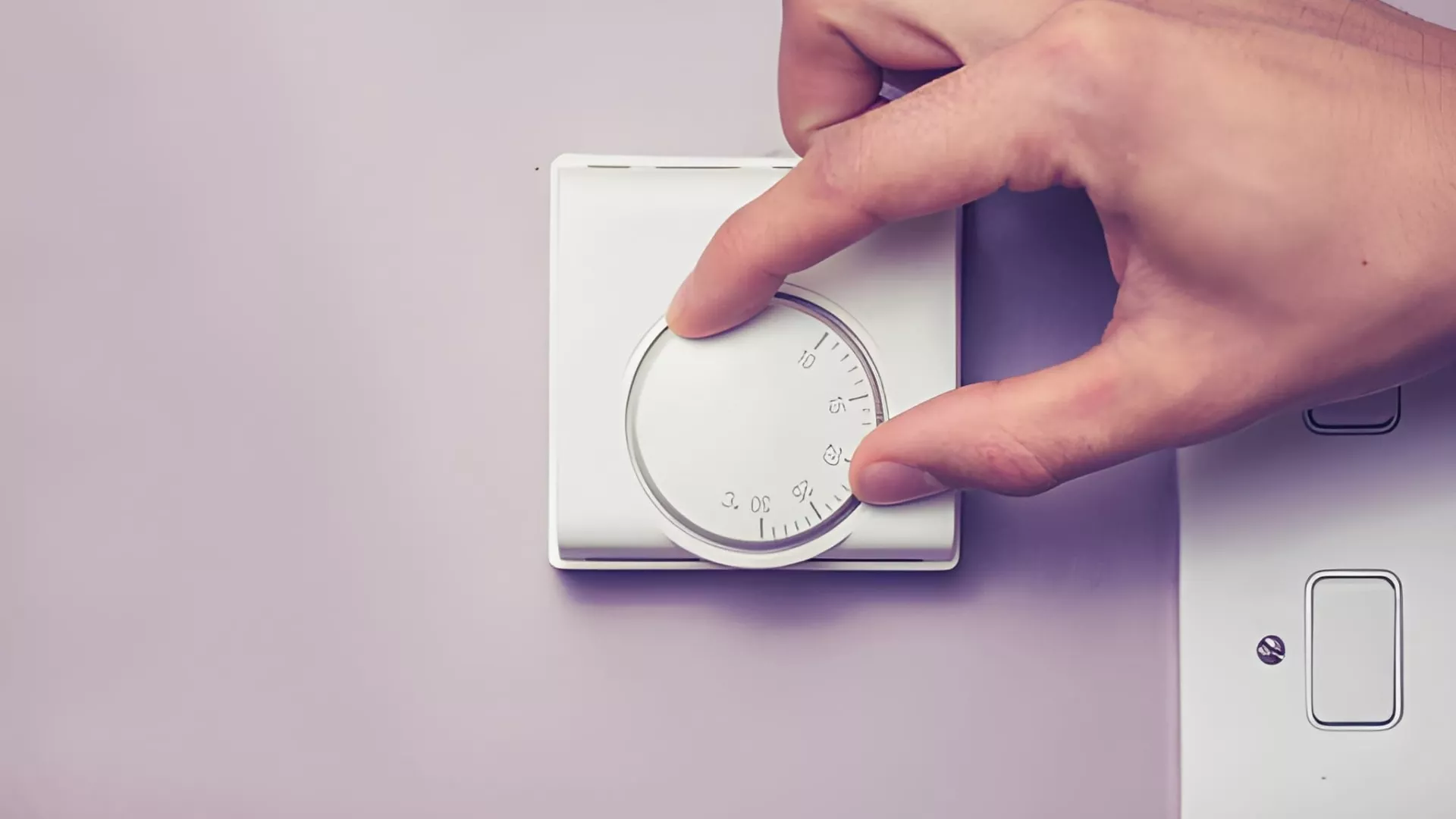
⚡ Quick Answer: Digital vs Analog Thermostat
- Analog thermostats use a simple dial or lever — no programming, no display, just basic on/off control.
- Digital thermostats use electronic sensors for precise temperature readings and programmable scheduling.
- Digital is up to 5x more accurate — ±0.5–1°C (1°F) vs analog’s ±1–3°C (2–5°F).
- Analog costs less upfront ($15–$50). Digital pays for itself in 2–4 years through energy savings.
- Best for most homes in 2026: Digital — better comfort, lower bills, and smarter control.
| Feature | Analog Thermostat | Digital Thermostat |
|---|---|---|
| Temperature accuracy | ±1–3°C (±2–5°F) | ±0.3–0.5°C (±0.5–1°F) |
| Controls | Dial or lever | Digital screen + buttons or touchscreen |
| Programming | None | Yes — schedules and auto modes |
| Unit cost | $15–$50 | $50–$150 |
| Annual energy savings | Baseline | $50–$150 lower |
| Best for | Simple, budget setups | Modern homes wanting efficiency and control |
Choosing between a digital vs analog thermostat might seem like a small decision — but it directly affects your comfort, your energy bills, and how hard your HVAC system has to work every single day. So, let’s break it all down in plain, simple English — and help you make the smartest choice for your home in 2026.
What Is an Analog Thermostat and How Does It Work?
The Classic “Set It and Forget It” Dial
An analog thermostat — also called a mechanical thermostat — is the simplest type of home temperature control available. Inside, it uses a bimetallic coil (two metals bonded together) or a mercury switch that physically expands and contracts as the temperature in your home changes.
When your home gets too cold, the coil contracts and triggers your heating system to turn on. When it warms up enough, the coil expands and shuts it off again. You control the target temperature with a simple dial or lever — no screen, no programming, no app. Just turn the dial and walk away.
These are the classic round or rectangular models you’ll still find on the walls of homes built before the 1990s. They are simple, mechanical, and straightforward — but they do come with some notable limitations in accuracy and energy control.
Who Still Uses Analog Thermostats Today?
Analog thermostats still make sense in a handful of specific situations. They are most commonly found in:
- Older homes built before the 1990s with basic HVAC systems
- Rental properties where rock-bottom cost is the top priority
- Vacation cabins or seasonal-use properties that don’t need precise control
- Homeowners who prefer total simplicity with no electronics to manage
- Basic single-zone systems where scheduling is not needed
In short, analog thermostats are reliable and cheap — but for most modern homes, they leave real money and comfort on the table every single day.
What Is a Digital Thermostat?
The Smarter, More Precise Option
A digital thermostat replaces the mechanical coil with an electronic temperature sensor — typically a thermistor — that measures your home’s temperature with far greater precision. The reading is displayed clearly on a digital screen, so you always know exactly what temperature your home is at, down to a fraction of a degree.
Most digital thermostats also include programmable scheduling — meaning you can set your HVAC to automatically lower the temperature at night or while you’re at work, then warm back up before you arrive home. Furthermore, many modern digital models include Wi-Fi connectivity, touchscreens, and smart home integration — making them a significant upgrade over any analog dial.
Digital thermostats run on either standard AA batteries or a low-voltage 24V power connection from your HVAC system. Either way, setup is quick and straightforward for most homes.
Who Is a Digital Thermostat Best For?
Digital thermostats are the right choice for the vast majority of homeowners today. Specifically, they work best for:
- Homeowners who want precise, steady temperatures without constant manual adjustments
- Anyone looking to reduce energy bills through automatic scheduling
- Homes with modern HVAC systems — single-stage, two-stage, or heat pump
- People who plan to upgrade to a smart thermostat in the future
- Homeowners replacing an analog thermostat that is 10+ years old
“Upgrading from an analog to a digital programmable thermostat is one of the highest-return, lowest-cost home improvements a homeowner can make. The accuracy improvement alone reduces unnecessary HVAC cycling — and the scheduling feature starts saving money from day one.”
— Tom Hargreaves, Certified Energy Auditor and HVAC Consultant, BPI Certified (2026)
Digital vs Analog Thermostat — Key Differences at a Glance
Side-by-Side Product Comparison
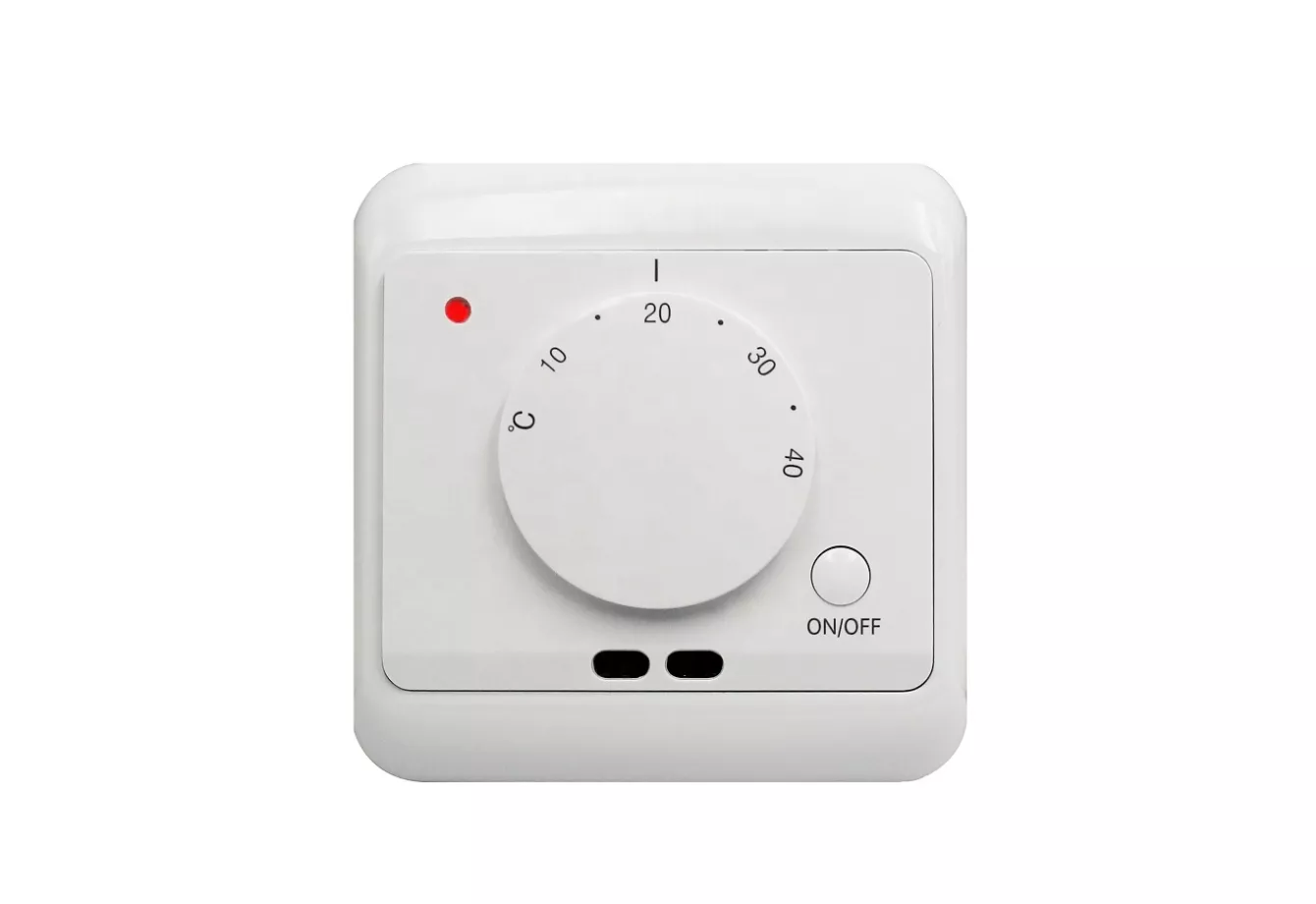
Simple dial control. No display, no programming. Best for basic systems and tight budgets.
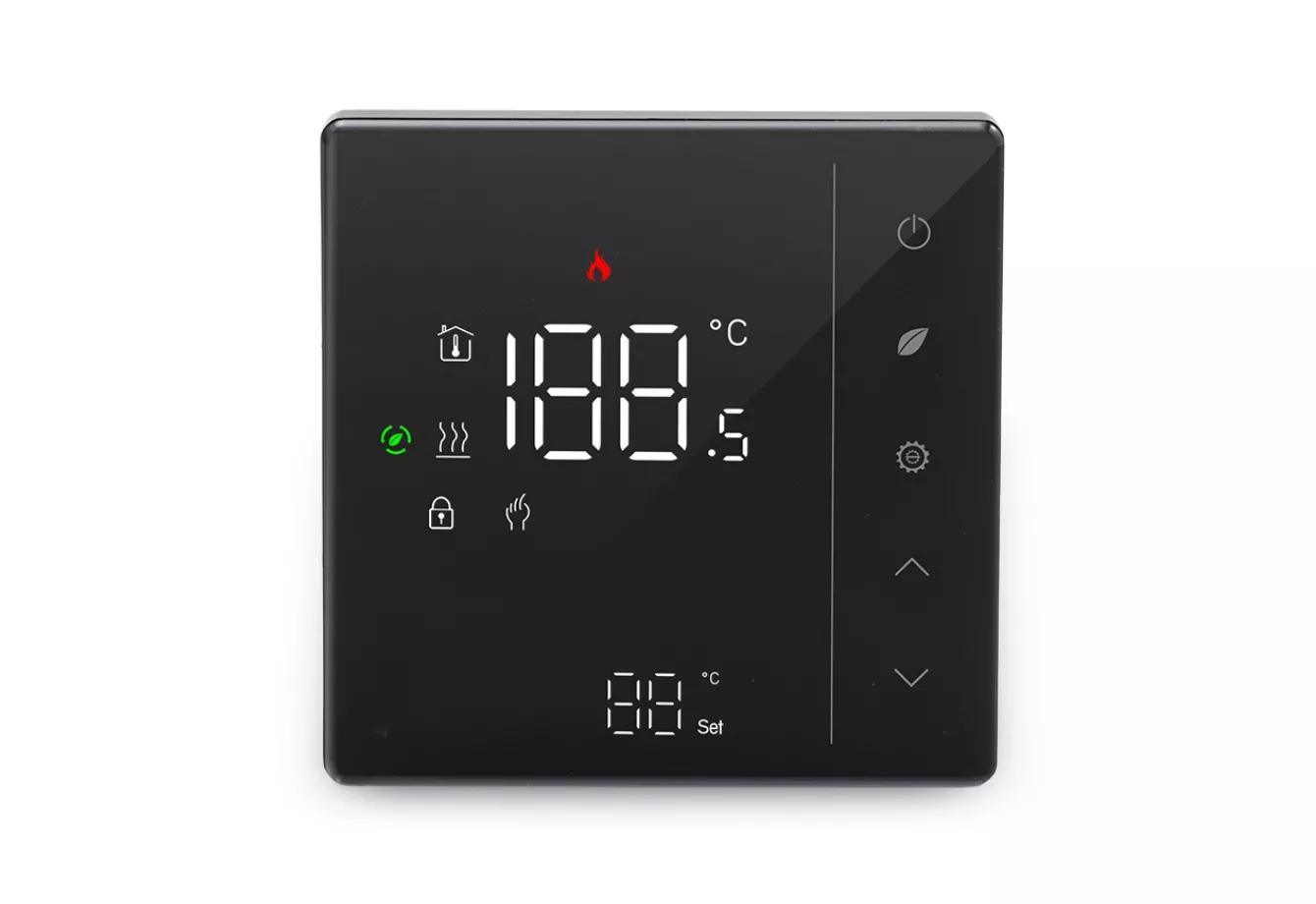
Precise electronic control with scheduling. Best for modern homes wanting comfort and savings.
| Feature | Analog Thermostat | Digital Thermostat |
|---|---|---|
| Temperature accuracy | ±1–3°C (±2–5°F) | ±0.3–0.5°C (±0.5–1°F) |
| Display type | None (dial only) | Digital screen or touchscreen |
| Programmable schedules | No | Yes |
| Power source | No power needed | Battery or 24V wire |
| Smart home compatible | No | Many models — yes |
| Lifespan | 10–15 years (accuracy drifts) | 10–15 years (stays accurate) |
The Accuracy Gap — Why It Matters More Than You Think
At first glance, the difference between ±1–3°C (±2–5°F) and ±0.3–0.5°C (±0.5–1°F) might not sound like a big deal. However, in practice, it makes a very real difference to both your comfort and your energy bill.
Here’s why: when your analog thermostat is off by 2–3°C (3–5°F), your HVAC system keeps running longer than it needs to — or shuts off too early, leaving your home too cold or too warm. Over time, this inaccuracy causes unnecessary HVAC cycles that add wear to your equipment and waste energy every single day.
A digital thermostat, on the other hand, hits the target temperature precisely — which means fewer on/off cycles, less energy waste, and more consistent comfort throughout your home. Furthermore, analog coils are known to drift further out of accuracy after 8–10 years of use, making older analog thermostats even less reliable over time.
Pros and Cons of Analog Thermostats
The Advantages of Analog Thermostats
Analog thermostats have been around for generations — and they still offer some genuine benefits that are worth acknowledging:
- ✅ Extremely low cost — units start at just $15–$50, the most budget-friendly option available
- ✅ Total simplicity — turn a dial, done. No setup, no app, no learning curve
- ✅ No power required — mechanical operation means no batteries or wiring needed
- ✅ Highly durable mechanically — fewer electronic components means fewer things that can fail
- ✅ Works with almost any HVAC system — universal compatibility with older heating and cooling equipment
The Drawbacks of Analog Thermostats
However, analog thermostats come with some significant limitations that matter a great deal in everyday use:
- ❌ Poor accuracy — ±1–3°C (±2–5°F) means noticeable temperature swings throughout the day
- ❌ No scheduling — your HVAC runs at the same setting 24 hours a day, whether you’re home or not
- ❌ Higher long-term energy waste — no setback means you’re paying to heat or cool an empty home
- ❌ Accuracy drifts over time — bimetallic coils become less reliable after 8–10 years
- ❌ Hard to read exact temperatures — dial markings are approximate at best
- ❌ No smart home compatibility — cannot connect to Wi-Fi, apps, or voice assistants
Analog Thermostat Verdict
An analog thermostat is a perfectly acceptable choice only for the simplest, most basic setups — such as a rental unit or seasonal cabin. For any home where comfort and energy savings matter, the limitations quickly outweigh the low upfront cost.
Pros and Cons of Digital Thermostats
The Advantages of Digital Thermostats
Digital thermostats have become the standard choice for good reason. Here is what makes them so much better for most homeowners:
- ✅ Precise temperature control — ±0.3–0.5°C (±0.5–1°F) accuracy keeps your home exactly where you want it
- ✅ Programmable scheduling — automatically adjust temperatures at night, during work hours, and on weekends
- ✅ Easy-to-read display — always know the exact temperature at a glance
- ✅ Real energy savings — scheduling cuts heating and cooling bills by 10% or $50–$150 per year
- ✅ Smart home ready — many models connect to Wi-Fi, Alexa, Google Home, and smartphone apps
- ✅ Reduces HVAC wear — fewer unnecessary cycles means longer equipment life
“The single biggest mistake I see homeowners make is keeping an old analog thermostat with a brand-new high-efficiency HVAC system. You’re essentially putting a flip phone in charge of a supercomputer. A quality digital thermostat unlocks the full potential of your system — and pays for itself almost immediately.”
— Rachel Kim, Senior HVAC Systems Specialist, NATE Certified Technician (2026)
The Honest Drawbacks of Digital Thermostats
- ❌ Higher upfront cost — units cost $50–$150, compared to $15–$50 for analog
- ❌ Requires power — needs batteries (changed every 1–2 years) or a 24V C-wire connection
- ❌ Slightly more setup — basic programming takes a few minutes to configure initially
Digital Thermostat Verdict
For the vast majority of homeowners, the advantages of a digital thermostat far outweigh the small extra upfront cost. Moreover, with a payback period of just 2–4 years through energy savings, it is one of the smartest and most affordable home upgrades available in 2026.
Cost Breakdown — Upfront Installation and Long-Term Expenses (2026 Data)
What You Pay Upfront
Cost is always the first question — so here is a clear, honest breakdown based on 2025–2026 U.S. national averages from Angi, HomeGuide, and Networx installer reports:
| Cost Category | Analog Thermostat | Digital Thermostat |
|---|---|---|
| Unit cost only | $15–$50 | $50–$150 |
| Professional installation | $80–$190 total | $160–$340 total |
| DIY installation time | 15–20 minutes | 20–30 minutes |
Both thermostats are straightforward DIY projects for most homeowners. However, if your home needs a C-wire (common wire) for a smart digital model — which some older homes lack — a professional installation is recommended to add one safely.
Long-Term Running Costs and Payback Period
Here is where the digital thermostat truly pulls ahead. The upfront price difference is small — but the long-term savings are significant:
- 💰 Annual energy savings with digital scheduling: $50–$150 per year (ENERGY STAR and 2026 Consumer Reports data)
- 📅 Typical payback period: Just 2–4 years — after that, every year is pure savings
- 📊 10-year total ownership: Digital thermostat owners consistently spend $500–$1,500 less on energy over a decade compared to analog users
Furthermore, the reduced HVAC cycling that comes with better accuracy also extends the life of your heating and cooling equipment — delivering additional long-term savings on repairs and replacements.
Energy Efficiency Showdown — Real Savings and Accuracy
Why Scheduling Changes Everything
The single biggest energy advantage of a digital thermostat is programmable scheduling — and it’s something an analog thermostat simply cannot offer.
With a digital thermostat, you can automatically:
- 🌙 Lower the temperature at night — dropping to 18°C (64°F) while you sleep instead of maintaining 21°C (70°F) saves meaningful energy every night
- 🏢 Set back during work hours — no need to heat or cool an empty home from 9am to 5pm
- ☀️ Warm up before you arrive home — your home is comfortable the moment you walk in, without wasting energy all day
According to ENERGY STAR and 2026 industry data, programmable scheduling alone cuts heating and cooling energy use by approximately 10% — or up to 8–12% for ENERGY STAR-rated digital models. For a typical U.S. home, that translates directly to $50–$150 back in your pocket every year.
Real-World Savings Numbers
Here is what the data shows when homeowners make the switch from analog to digital:
| Savings Metric | Analog Thermostat | Digital Thermostat |
|---|---|---|
| Annual energy bill | Baseline (higher) | $50–$150 lower |
| 10-year cumulative savings | Baseline | $500–$1,500 saved |
| HVAC cycle reduction | Frequent unnecessary cycles | Fewer cycles, less wear |
| Equipment lifespan impact | More wear over time | Extended equipment life |
Additionally, the tighter ±0.3–0.5°C (±0.5–1°F) accuracy of digital thermostats means your HVAC system reaches the target temperature and stops — rather than overshooting and cycling again unnecessarily. Over months and years, this reduced cycling adds up to real savings on both energy bills and equipment maintenance.
Installation, Maintenance, and Lifespan Comparison
How Easy Is It to Install Each Type?
The good news is that both analog and digital thermostats are straightforward to install for most homeowners — and in most cases, it is a simple like-for-like swap on the same wiring:
- 🔧 Analog installation: The simplest swap possible. Disconnect the old unit, connect the same wires to the same terminals on the new one. Takes about 15–20 minutes.
- 🔧 Basic digital installation: Same process as analog in most homes. Takes about 20–30 minutes with a clear wiring guide.
- 🔧 Smart digital with C-wire: Some smart digital models require a C-wire (common wire) for continuous power. If your home doesn’t have one, a professional can add a C-wire adapter in about an hour.
As always, turn off power to your HVAC system at the breaker before touching any wiring — and take a photo of your existing wiring before disconnecting anything.
Maintenance Requirements
Both thermostats are low-maintenance — but there are a few small differences worth knowing:
- 🛠️ Analog maintenance: Almost none required. An occasional gentle dusting of the dial mechanism is all that’s needed. However, accuracy will naturally drift after 8–10 years as the bimetallic coil ages.
- 🛠️ Digital maintenance: Change batteries every 1–2 years (approximately $5 per change). Clean the screen occasionally. Digital sensors maintain their accuracy consistently throughout the full lifespan.
Which Thermostat Lasts Longer?
| Lifespan Factor | Analog Thermostat | Digital Thermostat |
|---|---|---|
| Average lifespan | 10–15 years | 10–15 years |
| Accuracy over time | Drifts after 8–10 years | Stays accurate throughout |
| Failure risk | Mechanical coil can fatigue | Electronic sensor very stable |
Both thermostats last a similar 10–15 years on average. However, digital thermostats hold their accuracy far better throughout that lifespan. An analog thermostat that is 10 years old may be reading temperatures 3–5°C (5–10°F) off without you even realising it — quietly wasting energy and comfort every day.
Which Thermostat Is Right for Your Home? Decision Guide
Stick With Analog If…
- You have a very basic HVAC system with no plans to upgrade
- You need the absolute lowest upfront cost possible
- The property is a rental, cabin, or seasonal-use space
- You want zero electronics to manage or maintain
- Your current analog thermostat is less than 8 years old and still accurate
Upgrade to Digital If…
- You want precise, steady temperatures throughout your home
- You want to reduce your energy bills with automatic scheduling
- Your current analog thermostat is 10+ years old
- You have a modern HVAC system that deserves proper control
- You plan to upgrade to a smart thermostat in the near future
- You want a clear, easy-to-read display at all times
Thinking About Going Smart? Here’s What to Know
If you’re already considering upgrading from analog to digital, it’s worth knowing that smart digital thermostats are the natural next step — and they’re more affordable than ever in 2026. Here’s a quick overview of what smart thermostats add on top of standard digital models:
- 📱 Wi-Fi connectivity — control your home temperature from anywhere via smartphone app
- 🤖 Auto-learning schedules — models like Nest learn your habits and adjust automatically
- 🗣️ Voice control — works with Amazon Alexa, Google Home, and Apple HomeKit
- 📊 Energy usage reports — see exactly how much energy you’re using and where to save more
- 💰 Bigger rebates — many smart thermostats qualify for utility company rebates of $50–$100 in 2026
Smart thermostats typically cost $150–$300 for the unit — slightly more than a basic digital model. However, the additional savings from auto-learning and remote control often push annual savings to $150–$200 per year. Furthermore, if you’re already replacing an analog thermostat, jumping straight to a smart digital model is often the best value decision of all.
Common Myths and FAQs About Digital vs Analog Thermostats
Busting the Two Biggest Myths
There’s a surprising amount of outdated thinking around analog and digital thermostats. So, let’s clear up the two most common myths once and for all:
🚫 Myth #1: “Analog thermostats are more reliable than digital.”
✅ Reality: Both types last 10–15 years on average. However, analog coils physically fatigue and drift out of accuracy after 8–10 years — often without the homeowner noticing. Digital sensors, on the other hand, maintain consistent accuracy throughout their entire lifespan. In practice, digital thermostats are actually more reliably accurate over the long term.
🚫 Myth #2: “Digital thermostats are too complicated for everyday use.”
✅ Reality: Basic digital thermostats are just as simple to operate as analog — you simply press up or down instead of turning a dial. Programming a schedule takes about 5 minutes with a clear on-screen guide. Moreover, many models include a simple “hold” button that works exactly like an analog dial when you just want a quick manual adjustment.
Frequently Asked Questions
Are digital thermostats more accurate than analog?
Yes — significantly more accurate. Digital thermostats deliver ±0.3–0.5°C (±0.5–1°F) accuracy compared to analog’s ±1–3°C (±2–5°F). Furthermore, analog accuracy drifts further over time as the bimetallic coil ages. This means steadier room temperatures, fewer unnecessary HVAC cycles, and lower energy bills with a digital model.
Do digital thermostats save money compared to analog?
Yes — consistently. Programmable digital thermostats cut heating and cooling bills by approximately 10%, or $50–$150 per year for a typical U.S. home (ENERGY STAR and 2026 Consumer Reports data). The upgrade typically pays for itself in just 2–4 years — after which every year delivers pure savings.
How much does it cost to switch from analog to digital?
The total cost to switch is $100–$300 in 2026 — covering both the unit and professional installation. Basic digital programmable units start at around $160 installed. DIY installation is also an option for most homeowners and takes just 20–30 minutes with standard wiring. It’s one of the most affordable home upgrades with one of the fastest payback periods available.
Can I replace my old analog thermostat with a digital one?
Almost always yes. Most homes use standard 2–5 wire setups that are fully compatible with digital thermostat models. A quick check of your existing wiring — or a 15-minute visit from an HVAC technician — will confirm compatibility instantly. The only exception is smart digital models that require a C-wire, which some older homes may need added professionally.
How long do analog vs digital thermostats last?
Both last an average of 10–15 years with normal use. However, there is an important difference in performance over that lifespan. Analog thermostats begin to drift out of accuracy after 8–10 years as the mechanical coil fatigues. Digital thermostats maintain precise electronic accuracy right through to the end of their lifespan — making them the better long-term performer of the two.
Conclusion: Make the Right Thermostat Choice for Your Home
The Bottom Line on Digital vs Analog Thermostats
After looking at all the evidence, the digital vs analog thermostat decision is actually quite clear for most homeowners. Here’s the simple summary:
- Analog thermostats are cheap, simple, and fine for the most basic setups — but they waste energy, drift out of accuracy, and offer zero scheduling or smart features.
- Digital thermostats deliver precise comfort, real energy savings of $50–$150 per year, and a payback period of just 2–4 years — making them the smarter choice for virtually every modern home.
- Smart digital thermostats go even further — adding Wi-Fi control, auto-learning, and rebate eligibility for homeowners who want maximum savings and convenience.
