
Key Takeaways at a Glance
| Topic | What You Need to Know |
|---|---|
| What it is | A manual backup heating mode that bypasses your outdoor heat pump |
| When to use it | Only when your heat pump fails, freezes, or is damaged |
| When NOT to use it | Routine cold weather, faster heating, or saving money |
| Cost impact | Up to 2–4× more expensive than normal heat pump operation |
| Key risk | Leaving it on too long can dramatically increase your energy bill |
What Is Emergency Heat on a Heat Pump Thermostat?
The Simple Definition
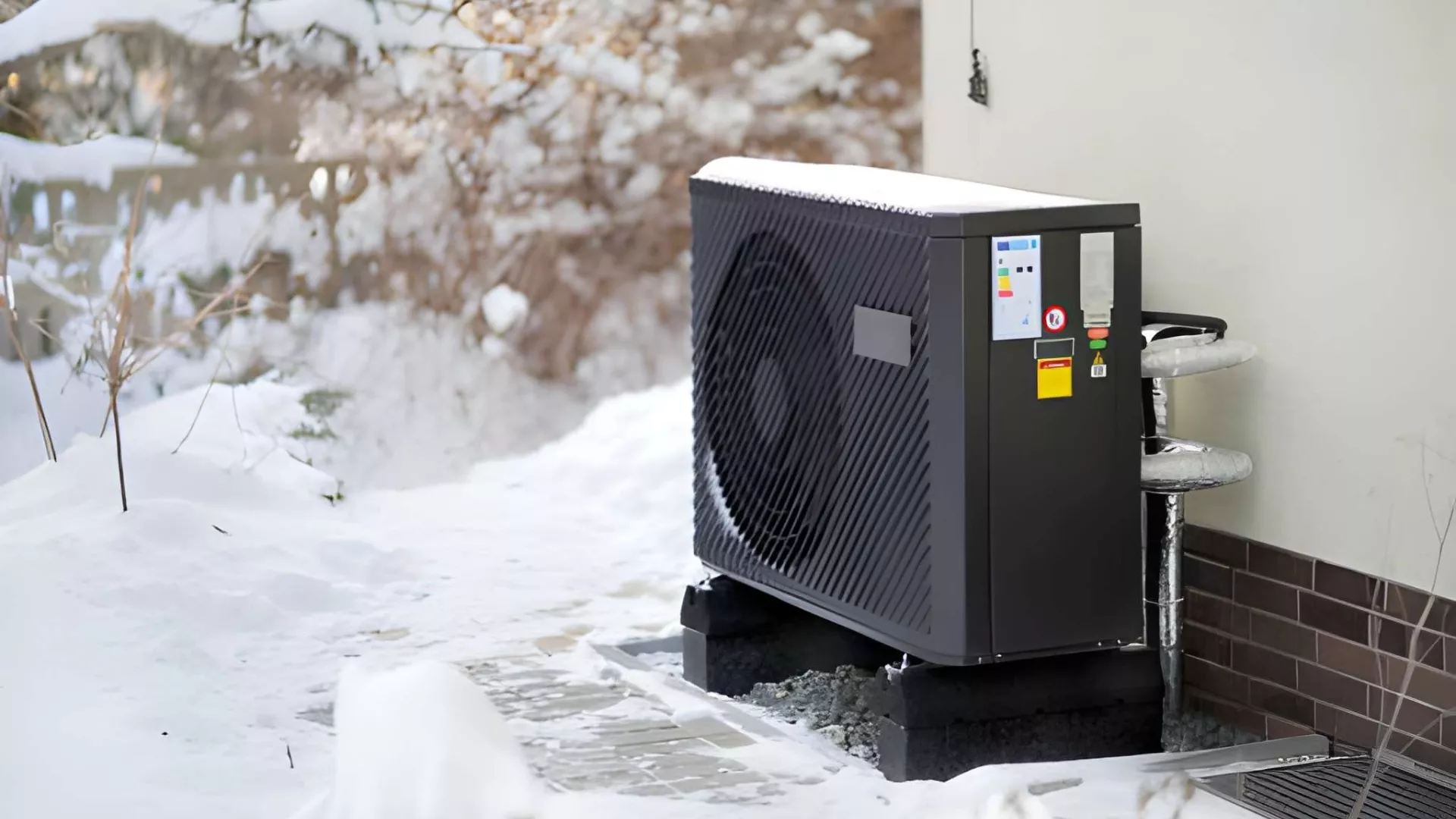
Emergency heat — often labeled “EM Heat” on your thermostat — is a special backup setting. Normally, your heat pump pulls warm air from outside and brings it indoors. However, when you switch to emergency heat, the outdoor unit completely shuts off. Your system then uses only the indoor backup heater to warm your home.
Think of it like this. Your heat pump is the star player on a basketball team. Emergency heat is the substitute sitting on the bench. The substitute only steps in when the star player gets injured — not just because things feel a little tough.
Why Does Emergency Heat Exist?
Emergency heat exists as a safety net for true breakdowns. Imagine your heat pump stops working in the middle of winter. Without a backup, your pipes could freeze and your home could become dangerously cold. Emergency heat keeps your home warm while you wait for a repair technician.
According to the U.S. Department of Energy, backup heating systems are a critical part of any heat pump setup — especially in colder climates. However, they are designed for short-term use only, not as a permanent solution.
What Happens to the Outdoor Compressor?
When you activate emergency heat, the thermostat stops sending signals to the outdoor compressor entirely. Your indoor air handler still blows warm air through the ducts as usual. However, that warmth now comes from electric resistance coils or a gas furnace — not from the heat pump. Most thermostats will show “EM Heat” on the display so you always know when this mode is active.
Emergency Heat vs. Auxiliary Heat — What’s the Real Difference?
Why People Get Confused
Most homeowners mix these two up. That is completely understandable. After all, both modes use the same backup heat source. However, the way your thermostat controls them is very different. Confusing the two can cost you a lot of money unnecessarily.
Side-by-Side Comparison
| Feature | Auxiliary Heat | Emergency Heat |
|---|---|---|
| Activation | Automatic | Manual (you switch it on) |
| Heat pump status | Still running | Completely off |
| Purpose | Supplements heat pump when it struggles | Replaces heat pump entirely |
| Energy cost | Moderate increase | High — up to 2–4× more |
| When it’s normal | Very cold days, defrost cycles | Heat pump failure only |
The Simple Analogy
Here is an easy way to remember the difference. Auxiliary heat is like a teammate helping the star player during a tough game. Emergency heat is like the star player being carried off the field — the backup takes over completely. Leaving your system in emergency mode when the heat pump is working fine is like benching your best player for no reason. It wastes energy and costs you more money.
“Auxiliary heat and emergency heat are two of the most misunderstood settings in residential HVAC. Homeowners who learn the difference typically save hundreds of dollars each winter simply by using the right mode at the right time.”
When Should You Actually Use Emergency Heat?
The Right Reasons to Switch It On
Emergency heat is only meant for genuine emergencies. Here are the situations where switching it on makes perfect sense:
- ✅ Your heat pump has stopped working or is showing error codes
- ✅ The outdoor unit is frozen solid and cannot defrost itself
- ✅ Storm damage, fallen debris, or physical damage to the outdoor unit
- ✅ An HVAC technician has told you to switch to emergency heat while waiting for repairs
- ✅ You hear loud, unusual noises coming from the outdoor compressor
When You Should NOT Use It
Many homeowners make the mistake of turning on emergency heat for the wrong reasons. Here is what to avoid:
- ❌ It is cold outside but your heat pump is still working fine
- ❌ You want your home to heat up faster
- ❌ You are trying to save money (it actually does the opposite)
- ❌ Your auxiliary heat light is on — that is completely normal
- ❌ Outdoor temperatures drop below 0°C (32°F) — modern heat pumps handle this well
A Sign of a Bigger Problem
If you find yourself reaching for the emergency heat switch frequently, that is a red flag. Frequent or prolonged use almost always signals an underlying issue that needs professional attention. Do not ignore it. Call an HVAC technician promptly to inspect your system before the problem gets worse.
How Does Emergency Heat Work Step by Step?
What Happens Inside Your System
When you flip your thermostat to emergency heat, a clear sequence of events takes place inside your HVAC system. Here is exactly what happens, broken down simply:
- Step 1: The thermostat stops sending power signals to the outdoor compressor unit.
- Step 2: The system activates the indoor backup heat source — either electric resistance strips or a gas/oil furnace.
- Step 3: The indoor air handler fan continues to blow air through your ducts as usual.
- Step 4: Warm air reaches your rooms — but this warmth is now generated indoors, not transferred from outside air.
- Step 5: Your thermostat display shows “EM Heat” to confirm the mode is active.
What You See on Your Thermostat Display
Most thermostats make it easy to spot when emergency heat is active. Look for these indicators on your display:
- “EM Heat” — the most common label
- “Emergency Heat” — shown on larger display models
- “E Heat” — used on some older thermostat brands
- A small red or orange indicator light on some models
Smart Thermostats and Emergency Heat Indicators
Newer smart thermostats go one step further. They can send alerts to your phone when emergency heat activates. Some models also log how long the mode has been running. This helps you catch accidental activation quickly — before it adds up on your energy bill. Additionally, many smart thermostats show a separate “Aux Heat” indicator, so you can clearly tell the difference between the two modes at all times.
How Much Does Emergency Heat Actually Cost?
Why Emergency Heat Is So Expensive
Here is the simple truth. Your heat pump is incredibly efficient because it moves heat rather than creates it. It pulls warmth from outdoor air and transfers it inside. Emergency heat, on the other hand, generates heat from scratch using electric resistance coils. That process uses significantly more electricity for the same amount of warmth.
Think of it this way. Your heat pump is like a shopping trolley — it carries 2 to 4 bags of groceries for every 1 bag of effort. Emergency heat is like carrying just 1 bag for every 1 bag of effort. Same destination, but far less efficient.
Efficiency Comparison Table
| Heating Mode | How It Works | Efficiency (COP) | Relative Cost |
|---|---|---|---|
| Normal Heat Pump | Transfers outdoor heat indoors | 2.0 – 4.0 | ✅ Lowest (baseline) |
| Auxiliary Heat | Heat pump + backup strips together | 1.5 – 3.0 (blended) | ⚠️ Moderate (1.5–2× higher) |
| Emergency Heat Only | Backup strips or furnace only | 1.0 | ❌ Highest (2–4× higher) |
Source: U.S. Department of Energy and Northeast Energy Efficiency Partnerships field studies.
The Real Dollar Impact
The numbers speak for themselves. According to a Northeast Energy Efficiency Partnerships field study, homeowners who rely heavily on emergency heat can pay up to $459 more per year compared to those using normal heat pump operation. Furthermore, prolonged emergency heat use can double or even triple your winter heating bill.
“Electric resistance heating is essentially the least efficient way to heat a home. A heat pump running at a COP of 3.0 delivers three times the heat output for the same electricity input. Homeowners who accidentally leave emergency heat on for weeks at a time often experience bill shock that could easily have been avoided.”
People Also Ask — Quick Answers
What Is the Difference Between Auxiliary Heat and Emergency Heat?
Auxiliary heat turns on automatically to help your heat pump on very cold days. The heat pump keeps running alongside it. Emergency heat is a manual setting that shuts the heat pump off completely and runs only the backup heater. Both use the same backup source — but auxiliary heat is normal and expected, while emergency heat is for breakdowns only.
When Should I Use Emergency Heat on My Thermostat?
Use emergency heat only when your heat pump has failed or is physically damaged. For example, use it if the outdoor unit is frozen solid, making strange noises, or showing error codes. Also use it if your HVAC technician specifically instructs you to. Do not use it simply because it is cold outside — your heat pump is built to handle that.
Is Emergency Heat Expensive?
Yes — significantly so. Emergency heat uses electric resistance coils with a COP of just 1.0. That means it costs 2 to 4 times more to run than your normal heat pump. Short-term use during a genuine breakdown is acceptable. However, leaving it on for days or weeks can add hundreds of dollars to your heating bill unnecessarily.
How Do I Turn Emergency Heat On or Off?
On most thermostats, follow these simple steps:
- Press the “Mode” or “System” button on your thermostat.
- Cycle through the options until you see “Emergency Heat,” “EM Heat,” or “E Heat.”
- To turn it off, press the same button and switch back to “Heat” or “Auto.”
- Always confirm your display no longer shows EM Heat before walking away.
Smart thermostats often include a dedicated toggle in their app, making it even easier to switch modes and confirm the change remotely.
Why Is My Thermostat Showing Emergency Heat Unexpectedly?
If your thermostat is showing emergency heat without you switching it on, your heat pump may be struggling or failing. First, switch back to normal “Heat” or “Auto” mode and monitor it closely. Then check your air filters, circuit breakers, and outdoor unit for ice or debris. If the issue returns quickly, call an HVAC professional promptly. Frequent unexpected activation almost always means maintenance or a repair is needed.
Common Emergency Heat Problems and How to Fix Them
Troubleshooting at a Glance
| Problem | Likely Cause | What to Do |
|---|---|---|
| Thermostat stuck in EM Heat | Accidental mode selection | Switch back to “Heat” or “Auto” manually |
| No heat in emergency mode | Tripped breaker or faulty wiring | Check breakers and fuses; call a technician |
| EM Heat activating frequently | Low refrigerant, dirty coils, faulty sensors | Schedule professional HVAC service immediately |
| Sudden high energy bills | EM Heat left on too long | Check thermostat mode and switch back to normal |
| Outdoor unit still running in EM Heat | Wiring issue or thermostat fault | Contact a licensed HVAC technician |
Simple Maintenance Tips to Prevent Problems
Furthermore, a little regular maintenance goes a long way. Here are some easy habits that help prevent emergency heat issues before they start:
- 🔋 Replace thermostat batteries every 12 months — low batteries cause erratic thermostat behaviour
- 🌬️ Clean or replace air filters monthly — poor airflow forces your heat pump to work harder
- ❄️ Keep the outdoor unit clear of snow, ice, and debris after storms
- 🔍 Schedule annual HVAC servicing before winter begins — catch problems early
- 📱 Use a smart thermostat with diagnostic alerts to flag issues automatically
How Smart Thermostats Help You Avoid Unnecessary Emergency Heat
Why Older Thermostats Can Cause Problems
Traditional thermostats make it surprisingly easy to accidentally activate emergency heat. The mode button is often right next to the normal heating setting. Furthermore, older displays do not always make it obvious that emergency heat is running. As a result, many homeowners leave it on for days — or even weeks — without realising it.
Key Smart Thermostat Features That Help
Smart thermostats solve this problem in several important ways. Here are the most valuable features to look for:
- 🌡️ Outdoor temperature lockouts — automatically prevents emergency heat from activating above a set temperature threshold
- 📊 Aux heat staging — intelligently manages when backup heat runs to minimise energy use
- 🔔 Usage alerts — sends a notification to your phone when emergency heat activates
- 📱 Remote monitoring — lets you check and change your thermostat mode from anywhere
- 📈 Energy usage reports — shows exactly how much emergency or aux heat ran each month
- 🔒 Accidental activation lockouts — some models require a confirmation step before switching to emergency heat
The Bottom Line on Smart Thermostats
Upgrading to a smart thermostat is one of the most practical steps you can take. It not only helps you avoid accidental emergency heat use — it also optimises your entire heating system automatically. Additionally, many smart thermostats integrate directly with heat pump systems to ensure the most efficient heating mode is always selected. For homeowners in colder climates especially, this upgrade can pay for itself within a single heating season.
“Smart thermostats with heat pump optimisation features are a game changer. They remove the guesswork entirely. Homeowners no longer need to worry about accidentally running emergency heat — the system handles it intelligently and flags any anomalies right away.”
Conclusion
What You Should Remember
Emergency heat on your heat pump thermostat is a valuable safety tool — but only when used correctly. It exists to keep your home warm during a genuine heat pump failure. It is not a shortcut for cold days, faster heating, or saving energy. In fact, using it unnecessarily does the exact opposite.
The Three Golden Rules
- ✅ Use emergency heat only when your heat pump has failed or is damaged
- ✅ Switch back to normal mode as soon as your heat pump is repaired
- ✅ Call an HVAC professional if emergency heat activates frequently or unexpectedly
