
⚡ Quick Definition: What Is a Heat Pump Thermostat?
A heat pump thermostat is a specialised control unit built specifically for heat pump HVAC systems. Unlike a regular thermostat, it manages both heating and cooling from the same outdoor unit, controls the reversing valve that switches between modes, and stages auxiliary (backup) electric heat when temperatures drop. Using the wrong thermostat with a heat pump wastes energy, raises bills, and can damage your system.
| Feature | Heat Pump Thermostat | Regular Thermostat |
|---|---|---|
| Controls Reversing Valve | ✅ Yes (O/B terminal) | ❌ No |
| Aux / Emergency Heat Support | ✅ Yes (full staging) | ❌ No |
| Defrost Cycle Management | ✅ Yes | ❌ No |
| Typical Device Cost | $50–$859 | $20–$50 |
| Best For | Heat pump or dual-fuel systems | Gas furnace + AC only |
If you own a heat pump, understanding your thermostat is one of the most important steps you can take to protect your system and lower your energy bills. Furthermore, choosing the right model makes a significant difference in both comfort and long-term running costs. Let’s break it all down clearly.
What Exactly Is a Heat Pump Thermostat?
The Simple Definition
A heat pump thermostat is the brain of your heat pump system. It reads the temperature inside your home and sends signals to your heat pump to heat or cool the space as needed. However, unlike a standard thermostat that simply turns a furnace or air conditioner on and off, a heat pump thermostat manages a much more complex set of operations — all from a single outdoor unit.
Think of it this way: a regular thermostat is like a simple light switch. A heat pump thermostat is more like a smart dimmer panel that controls multiple circuits simultaneously.
What Makes It “Special”?
Three things set a heat pump thermostat apart from every other type. First, it controls the reversing valve — the component that switches your heat pump between heating and cooling mode. Second, it manages auxiliary (backup) electric heat for very cold days when the heat pump alone cannot keep up. Third, it handles defrost cycle logic — preventing your outdoor unit from icing over in cold weather without unnecessarily triggering expensive backup heat.
None of these functions exist in a standard thermostat. Consequently, fitting a regular thermostat to a heat pump system leads to incorrect mode switching, wasted energy, and potential system damage.
Who Needs One?
You need a heat pump thermostat if your home uses any of the following:
- ✅ An air-source heat pump for heating and cooling
- ✅ A dual-fuel system (heat pump + gas furnace backup)
- ✅ A ground-source (geothermal) heat pump
- ✅ Any system with an O/B wire in the thermostat wiring
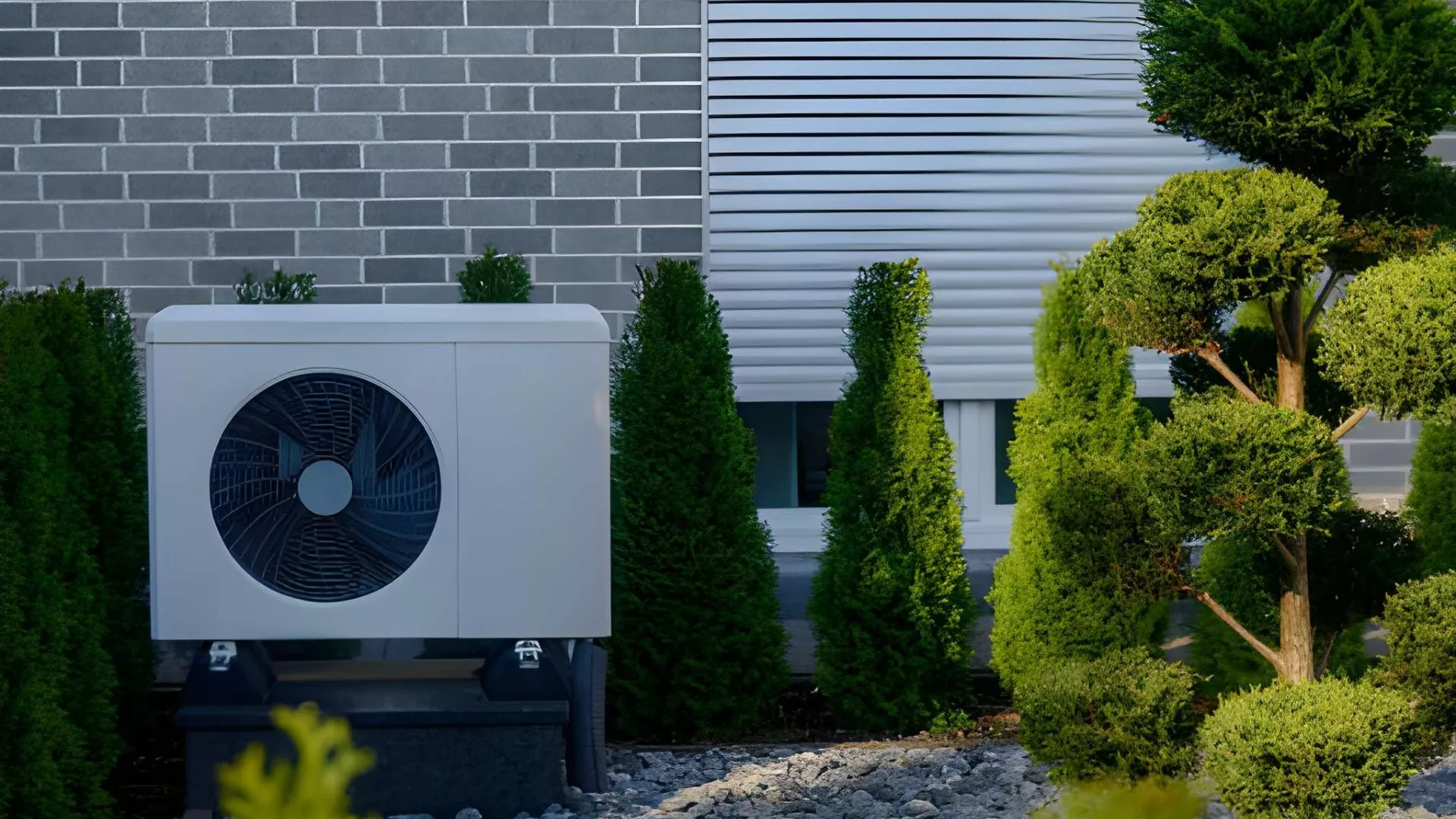
If you are unsure whether your system uses a heat pump, check the outdoor unit. Heat pumps run in both summer and winter — unlike a standard AC unit, which only runs in summer.
Heat Pump Thermostat vs Regular Thermostat: Key Differences Explained
Side-by-Side Comparison
The differences between a heat pump thermostat and a regular thermostat go far beyond price. They are fundamentally different devices designed for fundamentally different systems. The comparison table at the top of this article gives you the quick overview — but here is what each difference actually means in practice.
The most critical difference is the O/B terminal. This wire controls the reversing valve that switches your heat pump between heating and cooling. A regular thermostat has no O/B terminal — so it simply cannot tell your heat pump which mode to operate in. The result is a system that either stays stuck in one mode or switches incorrectly, wasting significant energy.
The Aux Heat and EM Heat Difference
Regular thermostats control a single heat source — typically a gas furnace or electric resistance heater. Heat pump thermostats, by contrast, manage two heat sources simultaneously: the heat pump itself and the auxiliary electric heat strips. The thermostat decides when the heat pump alone is sufficient and when to call for backup heat — a decision that has a major impact on your energy bill, since auxiliary heat costs 2–3 times more to run than the heat pump.
What Happens If You Use the Wrong One?
Using a standard thermostat on a heat pump system causes real problems. Specifically, you may experience:
- 🔴 Incorrect mode switching — heating when you want cooling, or vice versa
- 🔴 Constant aux heat use — dramatically higher energy bills
- 🔴 No defrost management — outdoor unit ices over and efficiency drops sharply
- 🔴 Voided warranty — most heat pump manufacturers require a compatible thermostat
Why Heat Pumps Need a Special Thermostat
The Reversing Valve Explained Simply
The reversing valve is the component that makes a heat pump unique. It is a four-way valve inside the outdoor unit that changes the direction of refrigerant flow — switching the system from heating mode to cooling mode and back again. In heating mode, the refrigerant absorbs heat from the outdoor air and transfers it inside. In cooling mode, the process reverses — heat is absorbed from inside your home and released outdoors.
Your heat pump thermostat controls this valve via the O or B wire in your wiring setup. O-wire systems energise the valve in cooling mode. B-wire systems energise it in heating mode. Getting this configuration wrong means your system heats when it should cool — and vice versa.
Auxiliary Heat and Why It Matters
Heat pumps are highly efficient — but they have limits. When outdoor temperatures drop below approximately -2°C to 0°C (28°F to 32°F), most standard heat pumps struggle to extract enough heat from the cold air to warm your home effectively. At this point, the thermostat automatically calls for auxiliary (aux) heat — electric resistance heating strips inside the air handler that provide immediate warmth.
A heat pump thermostat manages this staging carefully. It only activates aux heat when genuinely needed — keeping your running costs as low as possible. A regular thermostat has no concept of aux heat staging, so it either never activates it or runs it constantly — both of which are costly problems.
Defrost Cycle Management
In cold weather, moisture in the outdoor air can freeze on the heat pump’s outdoor coil, reducing efficiency significantly. Heat pumps handle this with a periodic defrost cycle — temporarily reversing operation to melt the ice. A heat pump thermostat manages this process intelligently, ensuring the defrost cycle runs only when needed and does not trigger unnecessary aux heat use during the process. A standard thermostat cannot manage this at all.
How a Heat Pump Thermostat Actually Works
Heating Mode Operation
When your home temperature drops below your set point — say, below 20°C (68°F) — the thermostat sends a signal to the heat pump to begin heating. It keeps the reversing valve in the heating position and runs the outdoor unit in heat-extraction mode. Modern heat pump thermostats use longer, gentler heating cycles rather than short bursts, which is more efficient and maintains more consistent indoor comfort.
Cooling Mode Operation
When your home rises above your set cooling temperature — for example, above 24°C (75°F) — the thermostat flips the reversing valve to cooling position and runs the system in air-conditioning mode. The same outdoor unit that was extracting heat from outside now extracts heat from inside your home and releases it outdoors. The thermostat manages this mode switch seamlessly and automatically.
When Aux Heat Kicks In
Aux heat activates automatically under two conditions. First, when outdoor temperatures fall low enough that the heat pump alone cannot maintain your set temperature. Second, when there is a large temperature gap — typically more than 2–3°C (3–5°F) — between the current indoor temperature and your set point, such as after returning home to a cold house. The thermostat stages aux heat carefully to avoid running it longer than necessary.
Emergency Heat vs Aux Heat
These two settings are often confused — but they are very different:
- Aux Heat (AUX): Activates automatically alongside the heat pump when extra heating capacity is needed. This is normal, efficient operation.
- Emergency Heat (EM Heat): A manual override that shuts off the heat pump entirely and runs only the backup electric heat. Use this only if your heat pump has physically failed. Running EM Heat continuously costs 2–3 times more than normal heat pump operation.
Cost Comparison: Heat Pump Thermostats vs Standard Models
Device Cost Breakdown
Heat pump thermostats cost more than standard models — and for good reason. They contain additional wiring terminals, more complex control logic, and staging algorithms that standard thermostats simply do not have. Basic heat pump compatible models start at around $50–$150 for a reliable programmable unit. Smart Wi-Fi heat pump thermostats range from $150 up to $859 for premium models with full learning and zoning capabilities.
By comparison, a standard furnace-and-AC thermostat costs just $20–$50 for a basic model. However, fitting one of these to a heat pump system is a false economy — the energy waste and potential system damage far outweigh the upfront saving.
Installation Cost Included
Professional installation adds $70–$150 in labour for a straightforward heat pump thermostat swap. Complex jobs — such as adding a C-wire, configuring dual-fuel staging, or integrating with a smart home system — can push installation costs to $200–$400. The full installed cost breakdown looks like this:
| Thermostat Type | Device Only | Total Installed Cost |
|---|---|---|
| Basic Heat Pump Thermostat | $50–$150 | $120–$300 |
| Smart / Wi-Fi Heat Pump Model | $150–$859 | $250–$1,000+ |
| Standard Non-Heat-Pump Model | $20–$50 | $80–$200 |
Long-Term Value vs Upfront Price
The higher upfront cost of a heat pump thermostat pays for itself quickly. A correctly matched thermostat reduces unnecessary aux heat use — which runs at 2–3 times the cost of normal heat pump operation. Furthermore, smart heat pump thermostats deliver annual energy savings of 10–26%, with most homeowners reaching payback in 1–2 years. Over a five-year period, the right thermostat easily saves $500–$1,500 compared to running the wrong model.
Real Energy Savings & Benefits of the Right Heat Pump Thermostat
The Energy Savings Numbers
Installing the correct heat pump thermostat — particularly a smart or programmable model — delivers measurable, consistent energy savings. According to 2025–2026 manufacturer field data and U.S. Department of Energy reports, homeowners using a properly matched heat pump thermostat save between 10–26% annually on HVAC energy costs compared to holding a constant temperature or using an incompatible thermostat.
For a home spending $1,800 per year on energy — with nearly 50% going to heating and cooling — that translates to savings of $90–$234 per year from the thermostat upgrade alone.
How Much Aux Heat Costs You
This is the most overlooked factor in heat pump running costs. Auxiliary electric heat strips are essentially the same technology as an old-fashioned electric bar heater — effective but extremely expensive to run. Aux heat typically costs 2–3 times more per hour than the heat pump operating in normal mode.
A heat pump thermostat that properly manages aux heat staging — activating it only when genuinely necessary — can reduce aux heat runtime by 30–50% compared to a poorly matched or incorrectly configured thermostat. Over a full heating season, this single improvement can save $150–$400 in many climates.
| Scenario | Annual Savings | Source |
|---|---|---|
| Correct basic heat pump thermostat | 10–15% on heating | U.S. DOE 2025 |
| Smart heat pump thermostat (optimised) | 10–26% overall HVAC | Honeywell/Resideo 2025 |
| Reduced aux heat runtime | $150–$400/heating season | Industry field data 2026 |
Other Benefits Beyond Savings
Energy savings are only part of the picture. Additionally, the right heat pump thermostat delivers:
- 🔵 More consistent comfort — longer, gentler cycles maintain steadier indoor temperatures
- 🔵 Extended equipment lifespan — correct staging reduces stress on the compressor and reversing valve
- 🔵 Warranty protection — most heat pump manufacturers require a compatible thermostat to maintain warranty coverage
- 🔵 Better defrost performance — intelligent defrost management keeps the outdoor unit running efficiently in cold weather
“The thermostat is arguably the most important component in a heat pump system after the heat pump itself. A mismatched thermostat doesn’t just waste energy — it actively works against the heat pump’s efficiency. We always specify a compatible model as the very first step in any heat pump installation or upgrade.”
Smart Heat Pump Thermostats: Features Worth Upgrading For
What Smart Models Add
Smart heat pump thermostats go well beyond basic scheduling. In 2026, the best models include a range of features specifically designed to maximise heat pump efficiency and comfort. The most valuable additions include:
- 🔵 Wi-Fi and app control — adjust settings remotely from anywhere
- 🔵 Geofencing — automatically adjusts when you leave or return home
- 🔵 Learning algorithms — adapts to your schedule and preferences automatically
- 🔵 Aux-heat optimisation — minimises expensive backup heat use intelligently
- 🔵 Auto-exercise — automatically exercises the reversing valve to prevent sticking
- 🔵 Voice assistant integration — works with Amazon Alexa and Google Home
Quick Installation Tips & Common Mistakes to Avoid
What to Check Before You Buy
Before purchasing a heat pump thermostat, confirm three things about your existing setup. First, check your current wiring for an O/B wire — this confirms you have a heat pump system. Second, check for a C-wire if you are buying a smart model, as most require continuous power. Third, check your heat pump’s documentation for any brand-specific thermostat requirements — some manufacturers recommend or require compatible models to maintain warranty coverage.
Taking a clear photo of your existing wiring before removing anything is the single most helpful preparation step. Consequently, you will have an accurate reference if any questions arise during installation.
The 3 Most Common Installation Mistakes
These are the mistakes heating engineers see most frequently when homeowners install heat pump thermostats incorrectly:
- Incorrect O/B wire configuration — confusing O and B settings causes the system to heat in cooling mode and cool in heating mode. Always check your heat pump manual for the correct setting — O or B — during setup.
- Using a standard thermostat — this remains the most damaging mistake. Even if the system appears to work initially, it will run inefficiently and may damage the reversing valve over time.
- Skipping the C-wire check for smart models — most smart thermostats require a C-wire for continuous power. Without one, the thermostat may display power issues or behave erratically. Use the included adapter or have a technician add a C-wire before installation.
DIY vs Professional Installation
A basic heat pump thermostat swap — where the wiring is already in place and the system is straightforward — is manageable as a DIY project for confident homeowners. However, professional installation is strongly recommended in these situations:
- 🔵 Installing a smart thermostat with app configuration and system calibration
- 🔵 Any job requiring new wiring or a C-wire addition
- 🔵 Dual-fuel systems where the thermostat must stage both a heat pump and a gas furnace
- 🔵 Any situation where you are unsure of the O/B wire configuration
People Also Ask
Does a Heat Pump Require a Special Thermostat?
Yes — always. Heat pumps need a dedicated thermostat with an O/B terminal to control the reversing valve, plus aux-heat staging and defrost management. A regular thermostat cannot handle these functions. Using the wrong thermostat leads to incorrect mode switching, excessive energy bills, and potential long-term system damage.
Is There a Difference Between a Heat Pump Thermostat and a Regular Thermostat?
Yes — a major one. Heat pump thermostats include an O/B terminal for reversing valve control, full aux-heat staging, and defrost cycle management. Regular thermostats have none of these features. The wiring, control logic, and operational algorithms are fundamentally different. Never substitute one for the other.
What Is Auxiliary Heat (Aux Heat) on a Thermostat?
Aux heat is the automatic backup electric heat that activates when your heat pump cannot maintain the set temperature alone — typically when outdoor temperatures drop below -2°C (28°F) or when there is a large temperature gap to recover. It shows as “AUX” on your thermostat display. It is normal, but expensive to run continuously.
What Is Emergency Heat and When Should I Use It?
Emergency heat (EM Heat) is a manual override that shuts off the heat pump entirely and runs only the backup electric heating system. Use it only if your heat pump has physically failed. Running EM Heat as your primary heat source costs 2–3 times more than normal heat pump operation and should never be used as a routine setting.
How Do Heat Pump Thermostats Work?
A heat pump thermostat continuously monitors indoor temperature and signals the heat pump to switch between heating and cooling modes via the reversing valve. It stages aux heat automatically when the heat pump alone cannot keep up, and manages defrost cycles intelligently to maintain efficiency. Smart models additionally use learning algorithms to minimise expensive aux heat use.
Can I Use Any Thermostat with a Heat Pump?
No — only heat-pump-compatible thermostats will work correctly and safely. The O/B terminal for reversing valve control and aux-heat staging logic are essential functions that standard thermostats do not include. Using an incompatible thermostat risks incorrect operation, higher energy bills, system damage, and voided manufacturer warranties.
Conclusion
Why Your Heat Pump Thermostat Is Not Optional
A heat pump thermostat is not simply a more expensive version of a regular thermostat — it is a fundamentally different device built for a fundamentally different system. The reversing valve control, aux-heat staging, and defrost management it provides are essential to the correct, efficient, and safe operation of your heat pump. Without the right thermostat, your system works against itself — wasting energy and wearing out faster.
Choose the Right Model for Your System
For most homeowners, a reliable programmable heat pump thermostat in the $50–$150 range delivers excellent performance and a fast payback. If you want maximum savings, remote control, and future-proof smart home integration, a smart model at $150–$350 is worth the additional investment — especially when utility rebates are factored in. Either way, compatibility with your specific heat pump model is the non-negotiable starting point.
