
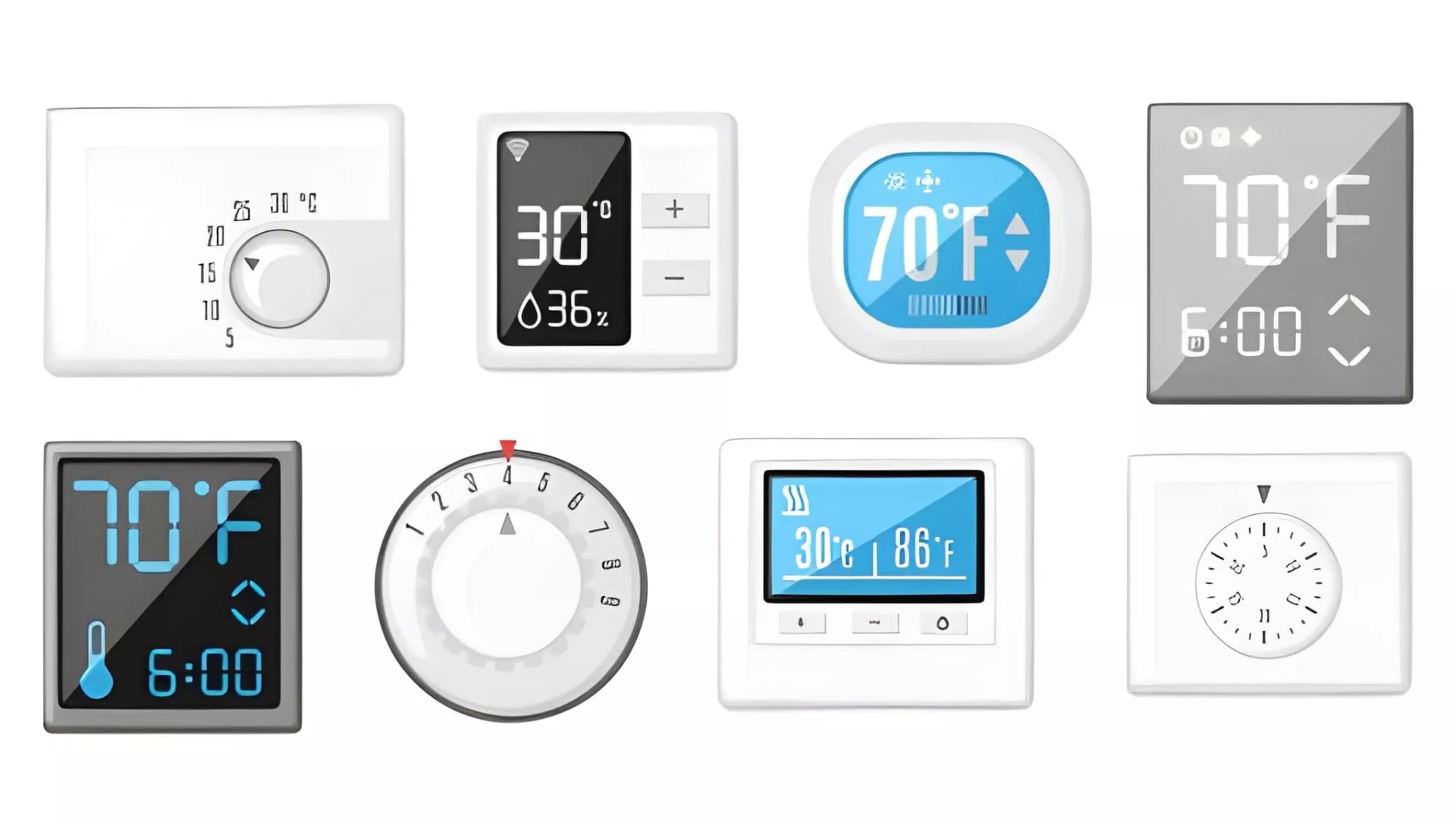
⚡ Quick Answer: 3 Types of Thermostats at a Glance
| Type | Best For | Cost Range |
|---|---|---|
| Manual | Budget buyers, simple homes | $15 – $80 |
| Programmable | Families with fixed routines | $25 – $150 |
| Smart | Busy, tech-savvy households | $80 – $300+ |
Why Your Choice Matters More Than You Think
Here is a number worth knowing. Heating and cooling account for about 43% of the average U.S. home energy bill. That is nearly half of everything you spend on energy each year. So, the thermostat you pick directly affects how much you pay every single month.
Furthermore, picking the wrong type can also shorten the life of your HVAC system. For example, a manual thermostat in a busy household may cause the system to run longer than needed. As a result, parts wear out faster and repair bills go up.
On the other hand, the right thermostat keeps your home comfortable, your bills low, and your system running smoothly for years to come. In 2026, with rising utility costs, upgrading your thermostat can pay for itself in as little as one to two years.
The 3 Types of Thermostats at a Glance
Your Full Comparison Table
Before we dive into each type, here is a full side-by-side comparison. This way, you can quickly spot which one fits your home and budget best.
| Feature | Manual | Programmable | Smart |
|---|---|---|---|
| Programming | None | Daily/weekly schedules | Auto-learning + app + geofencing |
| Connectivity | None | None | Wi-Fi, app, voice assistants |
| Device Cost (2026) | $15 – $80 | $25 – $150 | $80 – $300+ |
| Installed Cost | $80 – $190 | $100 – $340 | $200 – $500+ |
| Energy Savings | 0 – 2% | Up to 10% (DOE) | 8 – 23% |
| Est. Annual Savings | ~$0 – $44 | ~$220 | $176 – $330+ |
| Best For | Budget, simple homes | Predictable routines | Busy families, max savings |
| Compatibility | Almost all HVAC | Most systems | Most (C-wire often needed) |
Sources: U.S. Department of Energy, ENERGY STAR, Modernize, Fortune Business Insights (2025–2026)
Type 1 — Manual Thermostats: Simple, Reliable, and Budget-Friendly.
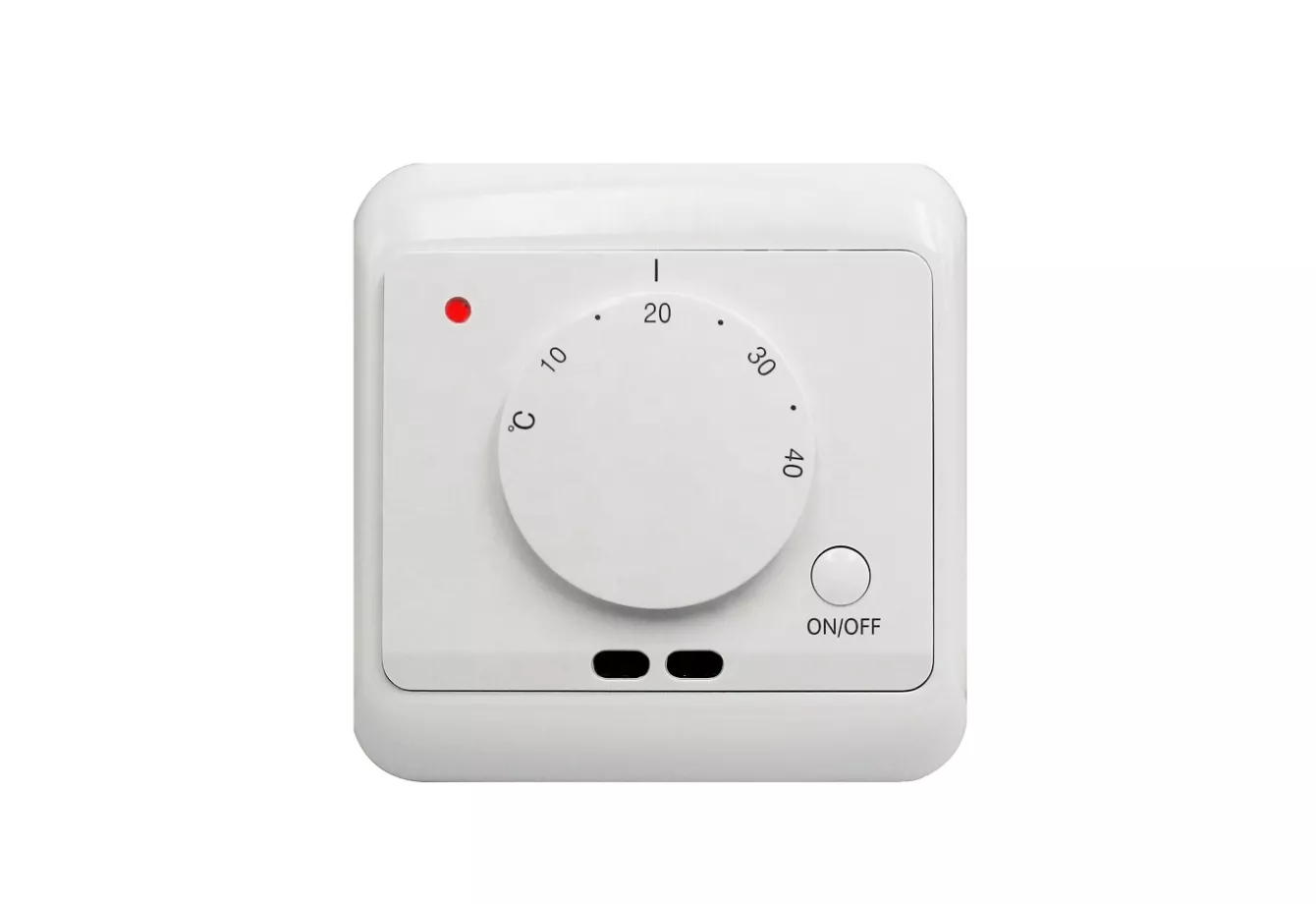
What Is a Manual Thermostat?
A manual thermostat is the most basic type. It has either a dial you turn or a simple digital screen with a few buttons. There are no schedules, no apps, and no automation at all. You simply set the temperature yourself, and that is it.
These models are very common in older homes. They also work well with basic furnace or boiler-only systems.
Pros and Cons
- ✅ Lowest cost — starts at just $15
- ✅ Extremely easy to use — no setup needed
- ✅ No Wi-Fi or power issues — always reliable
- ✅ Great for stable climates or homes that are always occupied
- ❌ No energy-saving automation — bills stay high if you forget to adjust
- ❌ Requires constant manual changes — morning, night, and every time you leave
Who Is It Best For?
Manual thermostats work best for renters, budget-focused households, or people who are home all day and prefer hands-on control. Popular examples include basic Honeywell and Emerson mechanical models.
Type 2 — Programmable Thermostats: Set It and Save
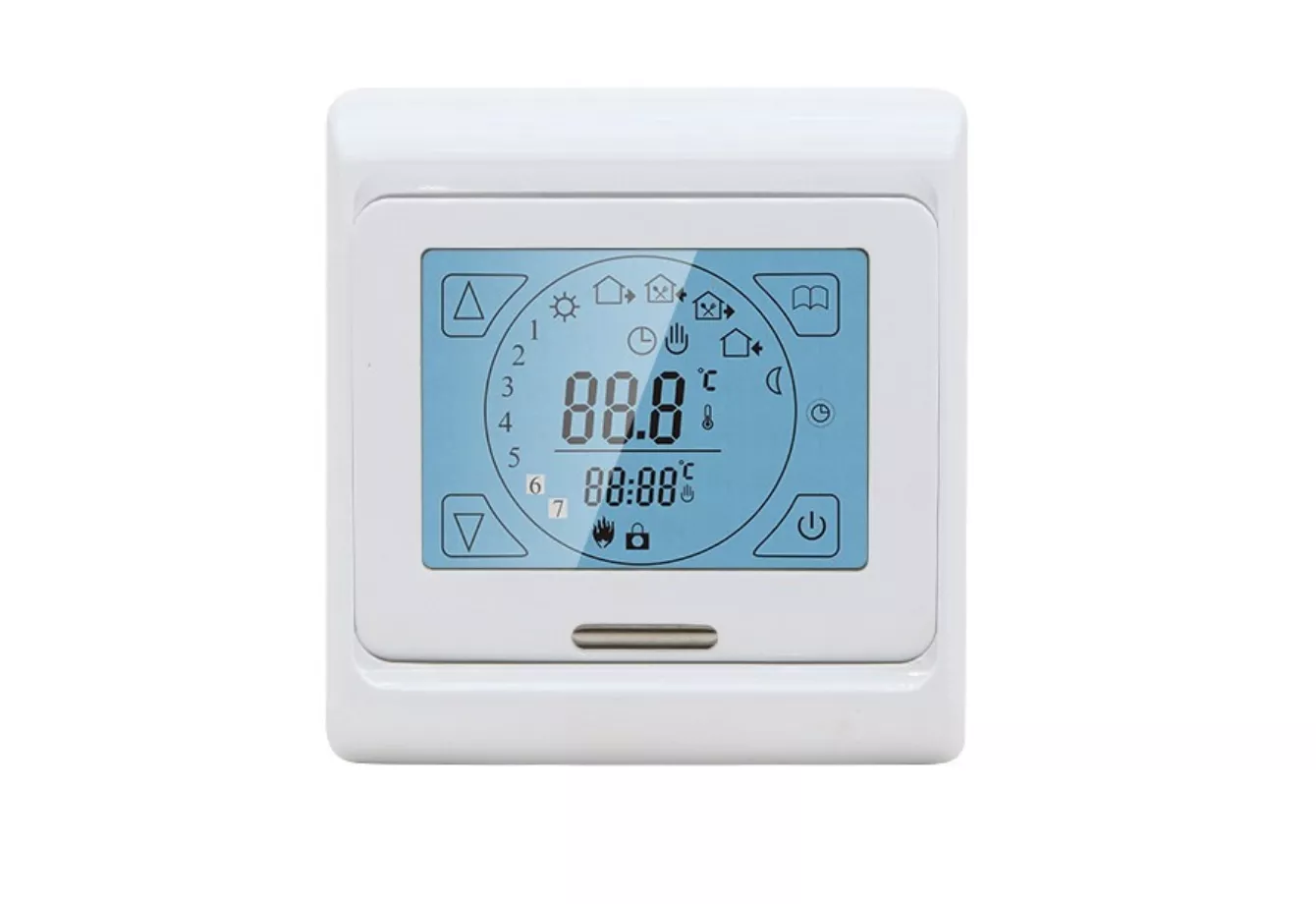
What Is a Programmable Thermostat?
A programmable thermostat lets you set temperature schedules in advance. For example, you can program it to lower the heat to 16°C (60°F) while you are at work. Then it automatically warms back up to 21°C (70°F) before you get home. You set it once, and it handles the rest.
These models come in three common schedule types:
- 7-day — a different schedule for every day of the week
- 5+2 — one schedule for weekdays, another for weekends
- 5+1+1 — separate settings for weekdays, Saturday, and Sunday
Pros and Cons
- ✅ Hands-free automation — saves energy without daily effort
- ✅ Easy to program via buttons and a clear screen
- ✅ Compatible with most HVAC systems
- ❌ Needs initial setup — and reprogramming after power outages
- ❌ No remote access — you cannot adjust it from your phone
- ❌ No learning ability — it only does what you tell it
How Much Can You Actually Save?
“You can save as much as 10% a year on heating and cooling by simply turning your thermostat back 7° to 10°C (°F) for 8 hours a day from its normal setting.”
— U.S. Department of Energy
On an average annual HVAC bill of $2,200, that means saving around $220 every year — just by setting a schedule. Additionally, programmable thermostats are a great middle ground between basic and high-tech options.
Who Is It Best For?
Programmable thermostats are ideal for families with predictable daily routines who want real energy savings without diving into smart-home technology.
Type 3 — Smart Thermostats: Maximum Control and Savings
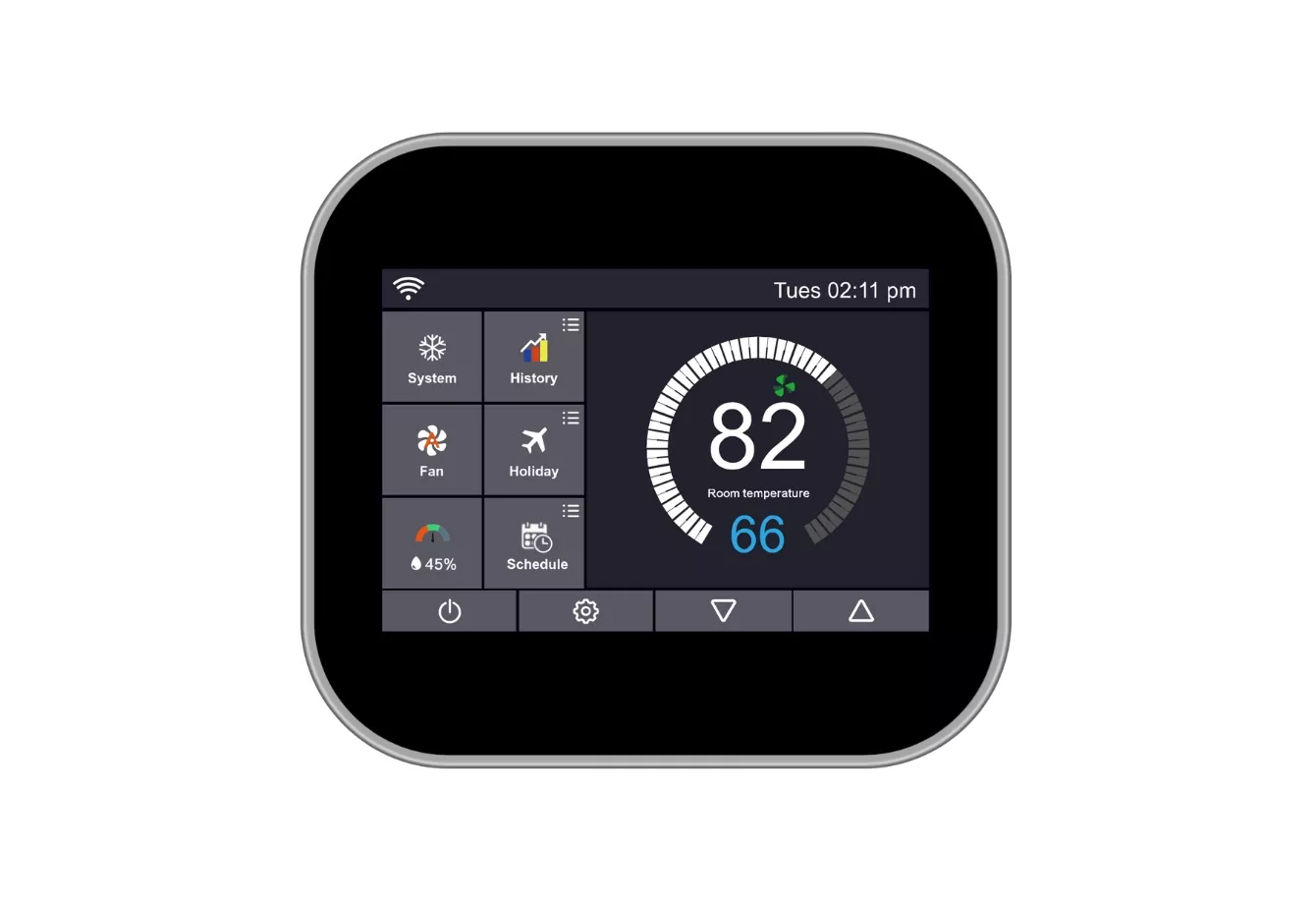
What Is a Smart Thermostat?
A smart thermostat is the most advanced of the 3 types of thermostats. It connects to your home Wi-Fi. Then you can control it from your phone, tablet, or even by talking to Alexa or Google Assistant. Furthermore, the best models actually learn your habits over time and adjust automatically — no programming needed at all.
Key Features That Set It Apart
- 📱 App control — adjust temperature from anywhere in the world
- 🗺️ Geofencing — detects when you leave or come home using your phone’s location
- 🧠 Auto-learning — builds a schedule based on your real behaviour
- 📊 Energy reports — shows exactly how much energy you use and where
- 🔔 HVAC health alerts — notifies you when your system needs maintenance
- 🏠 Smart home integration — works with zoning, multi-stage systems, and other smart devices
Pros and Cons
- ✅ Highest convenience — fully automatic and remotely accessible
- ✅ Maximum energy savings — up to 23% on heating and cooling bills
- ✅ Integrates with smart home systems — Alexa, Google Home, Apple HomeKit
- ✅ Provides useful energy insights — helps you make smarter decisions
- ❌ Highest upfront cost — $80 to $300 or more for the device alone
- ❌ Often requires a C-wire — older homes may need an adapter or pro installation
- ❌ Needs Wi-Fi and some tech comfort — not ideal for everyone
Who Is It Best For?
Smart thermostats are perfect for busy or tech-savvy households with variable schedules. They are also a great fit for anyone who wants maximum savings, real-time insights, and full control from their phone.
How to Choose the Right Thermostat for Your Home
Step 1 — Know Your HVAC System Type
Not every thermostat works with every HVAC system. Therefore, always check your system first before buying. Here is a quick guide:
- Central air or gas furnace — compatible with all 3 types of thermostats
- Heat pump — needs a thermostat specifically rated for heat pumps
- Multi-stage system — requires a programmable or smart thermostat
- Baseboard electric heat — needs a line-voltage thermostat, not a standard low-voltage one
Also, count the wires behind your current thermostat. Most systems use 2 to 8 wires. Smart thermostats often need a C-wire (common wire) for power. If you do not have one, an adapter is available for around $20 to $50.
Step 2 — Match It to Your Lifestyle
Your daily routine is just as important as your HVAC system. So, ask yourself these simple questions:
- 🏠 Home all day? → A manual thermostat may be all you need
- 📅 Same schedule every week? → A programmable thermostat is a smart, affordable choice
- 🚗 Always on the go or unpredictable hours? → A smart thermostat will save you the most
Step 3 — Set Your Budget and Check for Rebates
Budget matters, but do not forget to factor in long-term savings. A $250 smart thermostat that saves $250 per year pays for itself in just 12 months. Additionally, many utility companies offer rebates of $25 to $100 on ENERGY STAR-certified smart thermostats. Always check your local utility provider’s website before you buy.
Quick Decision Checklist
✅ Check your HVAC system type and wiring
✅ Count your thermostat wires — do you have a C-wire?
✅ Think about your daily and weekly routine
✅ Set a realistic budget including installation
✅ Look for ENERGY STAR-rated models
✅ Check your utility company for available rebates
✅ Use the manufacturer’s compatibility checker (Nest, Ecobee, Honeywell all offer free tools online)
Will a New Thermostat Actually Save You Money? Real Numbers
Breaking Down the Real Savings
Let us look at real numbers. Based on an average U.S. household HVAC bill of $2,200 per year, here is what each thermostat type can realistically save you:
- 🔵 Manual thermostat — $0 to $44 per year (savings depend entirely on how diligent you are)
- 🟡 Programmable thermostat — up to $220 per year (U.S. Department of Energy, 10% savings)
- 🟢 Smart thermostat — $176 to $330+ per year (8% to 23% savings, Nest and Ecobee studies)
How Fast Does a Smart Thermostat Pay for Itself?
A Google Nest or Ecobee thermostat typically costs $130 to $250. With savings of $176 to $330 per year, most households break even within one to two years. After that, every dollar saved goes straight back into your pocket.
Ecobee’s own data shows savings of up to 26% on heating and cooling. Meanwhile, independent studies confirm Nest saves an average of 10 to 12% on heating and 15% on cooling.
The Thermostat Market Is Growing Fast — Here Is Why That Matters
The global thermostat market was valued at $7.8 billion in 2025 and is projected to reach $9.22 billion in 2026. Smart thermostats alone make up about 42% of the total market and are growing at nearly 18% per year.
In the United States specifically, the smart thermostat market grew from $2.36 billion in 2024 to $2.68 billion in 2025 — and is expected to reach $6 billion by 2030. This rapid growth is driven by rising energy costs, smart home adoption, and utility rebate programs.
In short, more and more homeowners are making the switch — and the savings data clearly shows why.
Installation Tips and When to Call a Professional
Can You Install a Thermostat Yourself?
The good news is that manual and programmable thermostats are generally easy DIY projects. Most homeowners can complete the job in under 30 minutes. Here is how to do it safely:
- Turn off the power to your HVAC system at the breaker box first
- Take a photo of your existing wiring before removing anything
- Label each wire with the letter on the terminal it connects to
- Mount the new thermostat on the wall and connect the matching wires
- Restore power and follow the setup instructions
What About Smart Thermostat Installation?
Smart thermostats follow the same basic steps. However, there is one common challenge — the C-wire (common wire). Here is what you need to know in simple terms:
- The C-wire provides constant 24V power to keep your smart thermostat running
- Many older homes do not have a C-wire in place
- You can solve this with a C-wire adapter kit (around $20 to $50) in most cases
- Some smart thermostats like the Nest come with their own power adapter included
When Should You Call a Professional?
⚠️ Call a licensed HVAC technician if:
- Your system uses a heat pump with complex wiring
- You have a multi-stage or zoning system
- You are not comfortable working with wiring at all
- Your home has no C-wire and no neutral wire available
- You want to protect your HVAC warranty — some require professional installation
Professional installation typically costs an additional $100 to $200. However, it gives you peace of mind and ensures your system runs efficiently from day one.
“Improper thermostat installation — especially on heat pump systems — is one of the most common causes of reduced HVAC efficiency and premature system failure. When in doubt, always consult a certified HVAC technician.”
— Charlie Stephens, Certified HVAC Master Technician and contributor to ACCA (Air Conditioning Contractors of America)
Frequently Asked Questions About the 3 Types of Thermostats
1. What is the difference between a programmable and a smart thermostat?
A programmable thermostat uses fixed schedules that you set manually. A smart thermostat goes further — it connects to Wi-Fi, learns your habits automatically, uses geofencing to detect when you leave home, and lets you adjust settings from your phone anywhere. Smart thermostats typically deliver 5 to 10% more savings than programmable models with zero ongoing effort from you.
2. How much money can a smart thermostat save?
Most households save between $176 and $330 per year on heating and cooling with a smart thermostat. That is based on an average annual HVAC bill of $2,200 and savings of 8% to 23%. Nest reports 10 to 12% savings on heating and 15% on cooling. Ecobee studies show up to 26% in real-world conditions.
3. Are smart thermostats worth the extra cost?
Yes — for most households. Especially if you have a variable schedule, high energy bills, or want remote control. With an ROI of one to two years and utility rebates often available, the value is hard to ignore. However, if your routine is very predictable and you prefer simplicity, a programmable thermostat may be all you need.
4. Do I need a C-wire for a smart thermostat?
Most smart thermostats require a C-wire (common wire) for continuous 24V power. Many older homes do not have one already installed. Fortunately, you can usually solve this with a C-wire adapter kit for around $20 to $50. Some brands like Nest include their own power solution. Always check your existing wiring before purchasing.
5. Which type of thermostat saves the most energy?
Smart thermostats save the most energy — up to 23% on heating and cooling through auto-learning and geofencing. Programmable thermostats come second with up to 10% savings (U.S. DOE). Manual thermostats offer the least savings unless you are extremely consistent with manual adjustments every single day.
6. Can I install any thermostat on my HVAC system?
No — compatibility depends on several factors. These include your system’s voltage (most central systems use low-voltage 24V), the number of wires, and whether you have a single-stage or multi-stage system. Always use the manufacturer’s free compatibility checker online — Nest, Ecobee, and Honeywell all offer one. When in doubt, consult a licensed HVAC technician before buying.
Conclusion: Which of the 3 Types of Thermostats Is Right for You?
The Bottom Line
Choosing between the 3 types of thermostats does not have to be complicated. Here is a simple way to think about it:
- 🔵 Choose a manual thermostat if you are on a tight budget or always home
- 🟡 Choose a programmable thermostat if you have a consistent daily routine and want hands-free savings
- 🟢 Choose a smart thermostat if you want maximum savings, remote control, and the most convenience
Remember — heating and cooling make up nearly half of your home energy bill. Even a small upgrade can make a big difference over time. Furthermore, with utility rebates and fast payback periods, there has never been a better time to make the switch.